When comparing ASTM A270 and DIN 11850, it’s essential to recognize their differences in measurement units, material specifications, and surface finishes. ASTM A270 uses imperial units and emphasizes mechanical finishes with stringent testing for surface defects, while DIN 11850 relies on metric units and focuses on weld quality and dimensional tolerances. Each standard serves industries requiring hygienic tubing, so your choice should align with project needs. Discover more about the applications and implications of each standard for effective decision-making.
When selecting the appropriate specification for stainless steel sanitary tubing, you’ll often encounter ASTM A270 and DIN 11850, both of which serve essential roles in industries like food and beverage, pharmaceuticals, and dairy. Understanding the differences between these standards is crucial for your project’s success. ASTM A270 sanitary tubing is primarily used in North America and focuses on hygienic designs, while DIN 11850 sanitary tubing is more common in Europe, emphasizing dimensional accuracy. Neither standard is inherently better; the right choice hinges on your project specifications, existing piping systems, regional requirements, surface finishes, and process conditions. By carefully evaluating these factors, you can guarantee peak performance and compliance for your hygienic piping applications. Additionally, considering the surface finish of the tubing, such as the mirror-like internal surface achieved through electropolishing, can significantly impact cleanliness and efficiency in your processes.
Understanding the key differences between ASTM A270 and DIN 11850 is essential for making informed decisions regarding stainless steel sanitary tubing selection. The ASTM sanitary tube originates from the USA, primarily serving the North American market, while the DIN sanitary tube is European-based. Typical applications for both include food, beverage, and pharmaceutical industries. With respect to measurement, ASTM employs imperial units, whereas DIN uses metric. Tube sizing, common stainless steel grades, and wall thickness options vary, as do surface finishes and internal roughness requirements. Dimensional tolerances and fitting compatibility also differ, impacting installation. Testing requirements and documentation expectations can influence your choice, depending on your buyer profile. Understanding these distinctions guarantees you select the right tubing for your specific needs. Additionally, recognizing the importance of surface finish requirements can further guide your decision-making process regarding hygiene and corrosion resistance.
ASTM A270 sanitary tubing is designed for applications requiring high purity and hygiene standards, particularly in the food and pharmaceutical industries. You'll find that it specifies material types, dimensions, and surface finishes essential for ensuring product safety and compliance. Understanding its scope and requirements is vital for selecting the right tubing for your specific needs. Additionally, it is crucial to note that ASTM A270 is compliant with stringent global hygiene requirements for critical fluid systems.
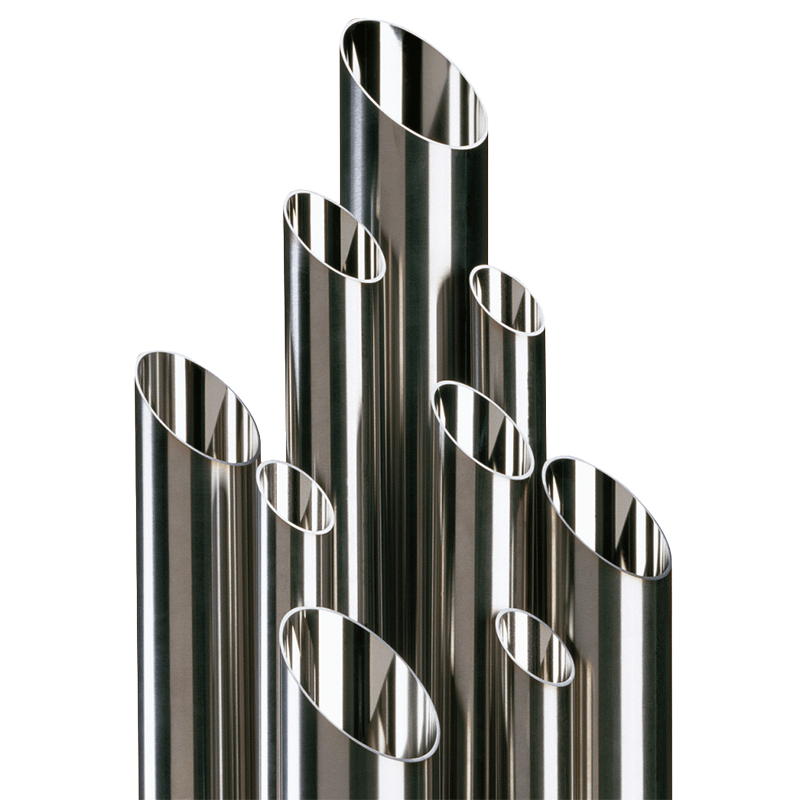
Sanitary stainless steel tubing, specified by ASTM A270, is designed for use in hygienic applications across various industries. This standard guarantees that the tubing meets stringent requirements for cleanliness and structural integrity, making it essential for sectors like food processing, beverage production, dairy processing, brewing, pharmaceutical processing, and biotechnology. You’ll find that hygienic stainless steel tubing is critical for transporting fluids without contamination, guaranteeing product safety and compliance with health regulations. ASTM A270 outlines the specific manufacturing processes, testing methods, and dimensional requirements needed to maintain the highest quality. By adhering to this standard, you can guarantee that your processes meet industry best practices, providing peace of mind in the integrity of your sanitary systems. Additionally, the use of high-purity TP304L and TP316L stainless steel ensures optimized welding performance for enhanced durability.
When selecting materials for sanitary tubing, specific stainless steel grades stand out in compliance with ASTM A270. The most commonly specified grades include TP304, TP304L, TP316, and TP316L. TP304 and TP316 provide good corrosion resistance, but you’ll find that TP304L and TP316L are particularly favored in welded sanitary systems due to their lower carbon content. This characteristic minimizes carbide precipitation at weld joints, enhancing corrosion resistance in high-stress environments. Using these grades guarantees your stainless steel sanitary pipe meets rigorous sanitary tubing standards, ultimately facilitating safer and more reliable systems. Additionally, the choice between 304/304L and 316/316L stainless steel ensures optimal performance based on the specific application environment. By choosing the right grade, you maintain control over the integrity and longevity of your sanitary applications, aligning with industry best practices.
Understanding the dimensions of ASTM A270 sanitary tubing is essential for ensuring compatibility and efficiency in your piping systems. This standard utilizes outside diameter-based sizing, typically measured in inches, with common wall thicknesses that support hygienic piping standards.
Key considerations include:
ASTM A270 sanitary tubing requires specific surface finish standards to guarantee hygiene and performance in various applications. The internal and external surfaces can undergo mechanical polishing, electropolishing, or achieve bright annealed finishes. It’s important to specify the desired surface finish, as not all ASTM A270 tubing shares the same condition. Buyers should pay attention to Ra values when specified, ensuring the tubing meets the stringent requirements for cleanliness and contamination prevention. By clearly defining your surface finish needs, you maintain control over the quality of the product. This attention to detail is vital for achieving ideal results in sanitary environments, where surface integrity directly impacts performance and compliance with industry standards. Furthermore, adherence to high hygienic standards ensures a sterile production environment, crucial for biopharmaceutical applications.
To guarantee the integrity and performance of ASTM A270 sanitary tubing, rigorous testing and inspection protocols are mandatory. As a procurement team, you should ascertain that manufacturers comply with the following requirements:
Additionally, manufacturers must provide Mill Test Certificates to ensure traceability of the materials used in production.
DIN 11850 sanitary tubing is essential for various applications in the food, pharmaceutical, and biotech industries. It specifies material grades, tube dimensions, and surface finish expectations to guarantee compliance with hygiene standards. Understanding these aspects will help you select the appropriate tubing for your specific needs. Additionally, DIN 11850 ensures that the tubing meets international standards for hygiene and safety in critical processing environments.
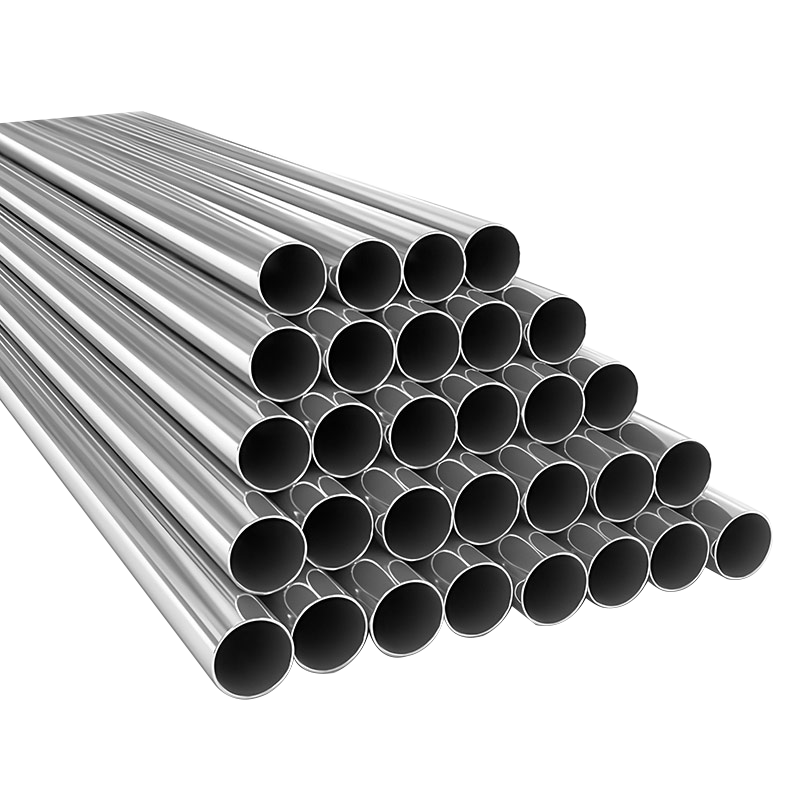
When discussing sanitary tubing, DIN 11850 stands out as a standard primarily linked to stainless steel tubing designed for hygienic applications in food and process industries, especially throughout Europe. This standard is critical for ensuring safety and cleanliness in various sectors.
Typical applications include:
Understanding the material grades used in DIN 11850 sanitary tubing is essential for guaranteeing compliance with hygiene standards in food and process industries. Common designations include 1.4301, 1.4307, and 1.4404, which correspond to familiar ASTM grades like 304, 304L, and 316L, respectively.
1.4301 is a standard material for general applications, while 1.4307 offers lower carbon content for improved weldability, suitable for sensitive environments. On the other hand, 1.4404 provides enhanced corrosion resistance, making it ideal for more aggressive substances. Additionally, the tubing is available in both welded and seamless versions, catering to various application needs.
However, always verify equivalent designations against your project specifications, as they may not be identical in all respects. This diligence guarantees you maintain the required quality and safety standards throughout your operations.
Sanitary tubing following the DIN 11850 standard is characterized by its precise metric sizing system, which guarantees compatibility and reliability in hygienic applications. This standard specifies dimensions critical for securing quality control in processing environments.
Understanding these dimensions helps you select the right tubing for your sanitary needs, securing that your systems operate smoothly and efficiently. Additionally, the DIN 11850 standard ensures excellent cleanability for modern CIP/SIP systems, which is vital in maintaining hygiene.
The surface finish of DIN 11850 sanitary tubing plays a critical role in guaranteeing hygiene and functionality in processing environments. You should consider both internal and external finishes, as these directly impact cleanability and contamination prevention. Bright annealing and mechanical polishing are essential methods to achieve the required surface quality. However, note that a DIN tube designation alone doesn't define the final sanitary surface requirements; project-specific roughness criteria may apply. This means you need to evaluate your application’s unique demands to guarantee compliance with relevant standards. Additionally, achieving a controlled internal roughness of Ra 0.8 μm is crucial for maintaining hygiene in dairy processing applications. By focusing on these factors, you can maintain control over your processes, ensuring peak performance and safety in your operations.
When evaluating DIN 11850 sanitary tubing, several testing and quality requirements come into play to guarantee compliance with industry standards. Confirming the integrity and reliability of the tubing is crucial, so keep these considerations in mind:
Additionally, non-destructive testing (NDT) and traceability are critical for quality assurance, confirming that every component can be tracked and verified throughout its lifecycle. Furthermore, Yaolong Hygienic implements 100 percent Eddy Current Testing to ensure the highest standards of product integrity and safety.
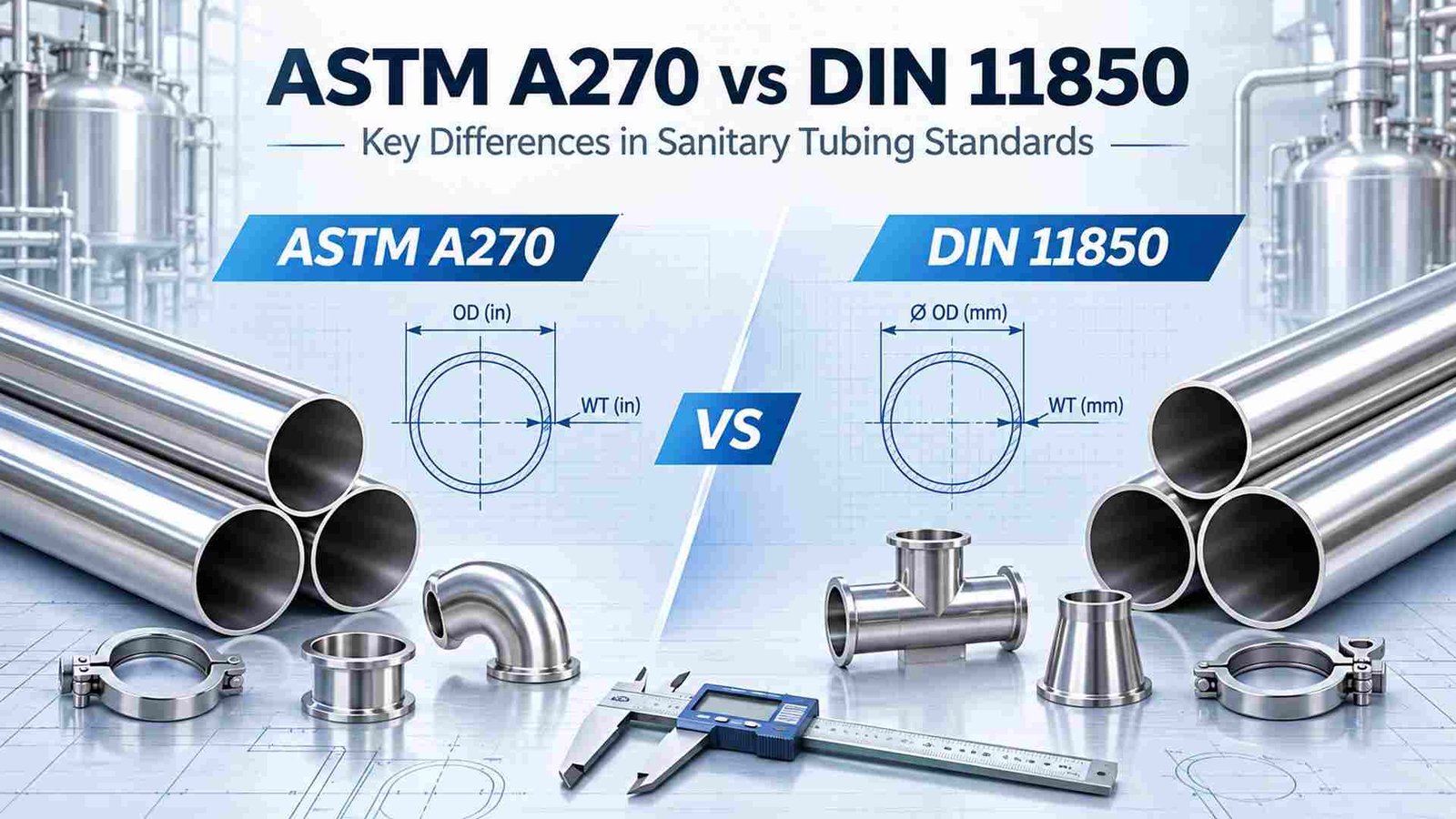
When comparing ASTM A270 and DIN 11850, you'll notice key differences in sizing conventions, with ASTM using inch measurements and DIN opting for metric. Additionally, variations in tube outside diameter, wall thickness, and material grade designations can impact your choice. Understanding these distinctions is essential for ensuring compliance with industry standards and selecting the appropriate specifications for your project. Furthermore, both standards are widely utilized in stainless steel applications across various industries, ensuring product quality and performance.
While both ASTM A270 and DIN 11850 standards serve similar purposes in specifying stainless steel tubing for sanitary applications, their dimensional systems—inch-based for ASTM and metric for DIN—create practical challenges in engineering projects. You're likely to encounter several issues:
Understanding the differences in outside diameter (OD) and wall thickness between ASTM A270 and DIN 11850 is essential for ensuring compatibility and performance in sanitary applications. ASTM A270 typically uses inch-based sizes, while DIN 11850 employs metric standards, leading to variations in flow and pressure calculations. For instance, a 1-inch ASTM A270 tube may not match the dimensions of a 25mm DIN 11850 tube, affecting fitting compatibility and installation ease. Additionally, wall thickness impacts welding processes and overall system integrity. When replacing stock, knowing these differences helps maintain system performance. The use of high-specification stainless steel tubing is crucial for achieving zero contamination in fluid delivery systems.
| Standard | OD (inches) | Wall Thickness (inches) |
|---|---|---|
| ASTM A270 | 1.00 | 0.065 |
| DIN 11850 | 25.00 | 2.00 |
In comparing material grade designations between ASTM A270 and DIN 11850, it’s essential to recognize that these standards utilize different nomenclature systems. For instance, ASTM grades like TP304L and TP316L correspond to European material numbers 1.4307 and 1.4404, respectively. However, relying solely on grade-name equivalence can lead to issues.
Consider the following points:
When comparing the dimensional tolerances specified in ASTM A270 and DIN 11850, you'll notice significant differences that can impact your project’s success. ASTM A270 allows for tighter tolerances on outside diameter and wall thickness, which is essential for achieving precise fits in automated fabrication and orbital welding. DIN 11850, on the other hand, may permit greater ovality and straightness deviations, potentially complicating hygienic fitting applications. Length tolerances also differ, affecting prefabricated pipe assemblies. These tolerances matter because tighter specifications guarantee ideal welding conditions and reduce the risk of contamination in hygienic systems. Ultimately, understanding these differences empowers you to make informed decisions that enhance the integrity and efficiency of your installations. Additionally, utilizing equipment with rapid adjustments can further optimize your production efficiency in line with these tolerances.
While both ASTM A270 and DIN 11850 specify different manufacturing methods for tubing, their approaches greatly influence the quality and suitability of products for hygienic applications.
Understanding these manufacturing methods allows you to select the right tubing for your specific needs, ensuring high performance and compliance with industry standards in hygienic environments.
Bright annealing is a vital process in the production of sanitary tubing, ensuring that the final product meets stringent hygiene and performance standards. This method involves heating the tubing in a controlled atmosphere, minimizing oxide formation, which is essential for maintaining corrosion resistance and internal cleanliness.
Here's how heat treatment varies between ASTM A270 and DIN 11850:
| Standard | Heat Treatment Approach |
|---|---|
| ASTM A270 | Requires bright annealing |
| DIN 11850 | Emphasizes controlled conditions |
When sourcing, pay attention to these differences. Proper heat treatment guarantees that your tubing not only meets industry requirements but also performs reliably in vital applications, giving you peace of mind in your operations. Additionally, high-frequency CIP and SIP cycles are crucial for ensuring the longevity and hygiene of the tubing in brewery applications.
Heat treatment processes, like bright annealing, play a significant role in achieving the desired surface finish for sanitary tubing. When evaluating tubing compliance, consider the following factors to guarantee peak performance:
When evaluating the testing and inspection requirements for sanitary tubing, you'll notice key differences between ASTM A270 and DIN 11850 that can impact your project's compliance and performance. ASTM A270 emphasizes eddy current testing, hydrostatic testing, and visual inspections, ensuring structural integrity. It also mandates dimensional inspections and roughness testing to meet specified standards. On the other hand, DIN 11850 focuses on positive material identification (PMI) and thorough weld inspections, ensuring material traceability. When drafting your purchase specification, explicitly list these tests: hydrostatic testing, dimensional inspection, visual inspection, and PMI. Ensuring these requirements are included guarantees adherence to industry standards and enhances the quality assurance process for your sanitary tubing. Additionally, many manufacturers provide service manuals that outline these testing protocols in detail, aiding compliance and assurance.
While both ASTM A270 and DIN 11850 provide essential guidelines for documentation and traceability, they differ markedly in their requirements and emphasis. Accurate documentation is critical in regulated or high-purity projects, as it guarantees accountability and compliance with industry standards.
These documents serve as a safeguard, assuring that the physical tube meets specified standards. In environments where purity and safety are paramount, having rigorous documentation can be just as important as the material itself, allowing you to maintain control and traceability throughout the lifecycle of your project. Additionally, high-grade TP304L and TP316L materials ensure enhanced corrosion resistance and surface quality, which are critical in high-purity applications.
When comparing ASTM A270 and DIN 11850 dimensions, it's vital to recognize that similar tube sizes don’t guarantee interchangeability. Differences in tolerances, wall thickness, and manufacturing standards can lead to compatibility issues. Understanding these nuances guarantees you select the right tubing for your specific application.
Although ASTM A270 and DIN 11850 may feature nominally similar sizes, their actual outer diameters (OD) and wall thicknesses can differ markedly. This discrepancy can lead to significant risks in your projects, making it essential to understand that similar tube sizes aren’t necessarily interchangeable.
Consider the following potential issues:
These risks can result in unsuitable clamps and installation delays, impacting your operational efficiency. To maintain control over your processes, always verify dimensions before proceeding with assembly or welding.
When considering the use of ASTM A270 and DIN 11850 tubes in the same system, you need to assess their tube-to-tube welding compatibility and sanitary fitting compatibility. Mixing these standards can introduce risks, such as potential leaks or compromised system integrity. It's essential to evaluate these factors to guarantee peak performance and safety in your application.
Welding compatibility between ASTM A270 and DIN 11850 tubes is crucial for guaranteeing system integrity. When considering tube-to-tube welding, you must address several critical factors to achieve a reliable joint.
Sanitary fitting compatibility between ASTM A270 and DIN 11850 tubes is essential for creating efficient and reliable systems in hygienic applications. Understanding the types of fittings you can use helps guarantee system integrity.
| Fitting Type | ASTM A270 Compatibility | DIN 11850 Compatibility |
|---|---|---|
| Clamp Fittings | Yes | Yes |
| Weld Fittings | Yes | Yes |
| DIN Connections | Limited | Yes |
| Ferrules | Yes | Yes |
You’ll find that while clamp and weld fittings can be interchanged with caution, DIN connections might pose challenges. Always select compatible gaskets to maintain system hygiene. With the right choices, you can achieve a seamless and effective sanitary system. Additionally, sanitary stainless steel tubing is designed to prevent biofilm formation, ensuring high standards in fluid systems.
Mixing ASTM A270 and DIN 11850 tubes in the same system can introduce significant risks that compromise the integrity of your system. You need to understand the potential pitfalls before making any assumptions:
These factors not only elevate installation costs but also jeopardize compliance with hygiene standards. Consequently, it’s essential to recognize that mixing these standards should be an engineered decision, not an assumption. You must evaluate the implications thoroughly to maintain system integrity and guarantee operational reliability.
When selecting between ASTM A270 and DIN 11850, consider the specific requirements of your industry. Each standard offers distinct advantages for applications in food processing, dairy processing, beverage and brewery systems, and pharmaceuticals. Understanding these differences will help you make informed decisions that guarantee compliance and safety in your operations.

In food processing, selecting the right standard between ASTM A270 and DIN 11850 hinges on several vital factors. Understanding these can help you maintain ideal efficiency and safety in your operations:

Dairy processing demands a high level of hygienic design, making the choice between ASTM A270 and DIN 11850 essential for guaranteeing product safety and quality. Both standards emphasize the need for equipment compatibility with frequent Clean-In-Place (CIP) procedures, guaranteeing contaminants are effectively removed. ASTM A270 is often favored in the U.S. for its robust specifications tailored to sanitary applications, while DIN 11850 aligns with European practices, promoting dimensional compatibility across regional equipment standards. You must consider the specific requirements of your dairy operation, as selecting the appropriate standard directly impacts your system's efficiency and compliance. Ultimately, the right choice guarantees maximum hygiene and product integrity, giving you the control needed to meet industry demands.


Choosing between ASTM A270 and DIN 11850 for beverage and brewery systems can greatly influence your operational efficiency and product quality. The right standard guarantees robust process piping that withstands rigorous cleaning, minimizes corrosion exposure, and supports common connection systems.
Making an informed choice between these standards not only optimizes your production processes but also guarantees compliance with industry regulations, ultimately safeguarding your beverage quality and brand reputation.

When it comes to pharmaceutical and high-purity applications, you might find that ASTM A270 and DIN 11850 alone don't meet all necessary specifications. To guarantee compliance, you may need to evaluate additional standards like ASME BPE. Tighter surface roughness requirements could be important, along with electropolishing for enhanced cleanliness. Furthermore, enhanced documentation and traceability are essential for maintaining quality control. Higher inspection requirements must also be factored in to confirm that materials meet stringent regulations. Relying solely on either ASTM A270 or DIN 11850 may leave gaps in meeting the rigorous demands of the pharmaceutical industry, so it’s imperative to assess the complete spectrum of requirements for your specific applications.
When evaluating corrosion resistance, the choice between ASTM A270 and DIN 11850 often comes down to the specific stainless steel grade you select, such as 304L or 316L. Factors like process media, chloride concentration, and surface condition will greatly influence performance, regardless of the standard. Remember, simply opting for one standard over the other doesn't inherently enhance corrosion resistance; it's the material properties and treatment that matter most.
Although both ASTM A270 and DIN 11850 standards specify the use of 316L stainless steel, understanding the nuances between standard 316L and its "L" grade variant is essential for applications in food processing, brewery environments, and high-purity systems. The "L" grade offers enhanced resistance to corrosion, particularly in challenging environments.
Choosing 316L guarantees peak performance in demanding conditions, particularly where sanitation and material longevity are critical. Consequently, understanding these differences can empower you to select the right material for your specific application, guaranteeing compliance with both standards and enhancing system efficiency.
While both ASTM A270 and DIN 11850 are widely recognized standards for stainless steel tubing, the surface quality of the finished product largely depends on the specific manufacturing and finishing requirements rather than the standard designation itself.
| Surface Treatment | Characteristics |
|---|---|
| Bright Annealed | Smooth, reflective finish |
| Mechanically Polished | Improved Ra values, less reflective |
| Electropolished | Enhanced corrosion resistance, smoother finish |
As a buyer, you should specify maximum Ra, ID/OD finish, polishing method, electropolishing requirements, and inspection methods to guarantee the desired surface quality. This precision in your specifications guarantees that the tubing meets your exact performance and hygiene standards, ultimately enhancing your control over the final product. Additionally, adhering to ASTM A270 or ASME-BPE standards ensures compliance in high-purity fluid environments, which is crucial for data center applications.
Cost considerations for ASTM A270 and DIN 11850 tubing can vary greatly based on several key factors. Understanding these factors can help you make informed purchasing decisions:
Additionally, regional availability can greatly influence total procurement costs. If a specific standard is more readily available in your area, it might reduce shipping expenses and lead times. Keep in mind that certification, quantity, production tolerance, and any additional processes like polishing or electropolishing can also impact your overall costs. By evaluating these variables, you can better manage your budget and guarantee you select the appropriate tubing for your application. Furthermore, the demand for high-purity stainless steel has been rising, which can also affect pricing and availability.
When should you specify ASTM A270? You should choose ASTM A270 when your project documentation already references it or if your existing system is dimensioned to ASTM standards. Moreover, if you're utilizing US or international equipment with ASTM-compatible fittings, this specification is essential. Many food, dairy, or beverage applications explicitly call for ASTM A270, ensuring compliance with industry standards. In addition, if project engineers require ASTM test and documentation, specifying this standard is vital.
| Situation | Reason | Action |
|---|---|---|
| Existing documentation | Consistency | Specify ASTM A270 |
| ASTM dimensioned systems | Compatibility | Specify ASTM A270 |
| Equipment with ASTM fittings | Seamless integration | Specify ASTM A270 |
| Food/dairy/beverage specifications | Regulatory compliance | Specify ASTM A270 |
Specifying DIN 11850 is the right choice if your existing plant already employs DIN dimensions. This standard aligns seamlessly with European equipment and fittings, ensuring compatibility and efficiency. If you're working within a metric piping system, DIN 11850 provides the necessary precision. Additionally, project specifications may explicitly require the use of DIN, making compliance essential.
Consider these factors when specifying DIN 11850:
| Project Requirement | ASTM A270 | DIN 11850 |
|---|---|---|
| Existing inch-based piping system | Recommended | Check dimensional compatibility |
| Existing metric/DIN piping system | Check dimensional compatibility | Recommended |
| US-based food, dairy or beverage project | Common choice | Project dependent |
| European hygienic process project | Project dependent | Common choice |
| Food and beverage processing | Suitable | Suitable |
| Dairy processing | Suitable | Suitable |
| Brewery applications | Suitable | Suitable |
| Pharmaceutical/high-purity service | May require additional ASME BPE or project-specific requirements | May require additional high-purity/project-specific requirements |
| TP304L / TP316L specification | Common | Common equivalents available |
| Inch-size fittings and ferrules | Better compatibility | Verify before use |
| Metric DIN fittings and connections | Verify before use | Better compatibility |
| Existing ASTM A270 equipment or pipework | Preferred | Not normally preferred unless engineered |
| Existing DIN equipment or pipework | Not normally preferred unless engineered | Preferred |
| International project with mixed equipment | Verify dimensions, fittings and tolerances carefully | Verify dimensions, fittings and tolerances carefully |
| Main selection factor | ASTM specification, inch dimensions and compatible fittings | Metric dimensions, DIN system compatibility and European project requirements |
Key point: Neither ASTM A270 nor DIN 11850 is universally better. The correct choice should follow the project specification, existing piping dimensions, fitting system, material grade, surface finish and regional equipment standards.
When evaluating an ASTM A270 or DIN 11850 tubing supplier, consider their manufacturing capability and quality control processes. Ascertain the supplier maintains thorough documentation and traceability for compliance with industry standards. Additionally, assess their experience with international standards to confirm their expertise in the field.
Evaluating the manufacturing capability of a tubing supplier for ASTM A270 or DIN 11850 standards requires a keen focus on several key factors. You'll want to verify that the supplier employs precise processes that meet industry expectations.
These aspects play a critical role in the performance and longevity of the tubing. By examining these capabilities, you can confidently select a supplier that aligns with your project requirements and maintains the integrity of the standards you depend on.
To guarantee the tubing you select meets ASTM A270 or DIN 11850 standards, it is crucial to implement a rigorous quality control process. Here are critical evaluations to take into account when evaluating your supplier:
| Quality Control Method | Purpose |
|---|---|
| Dimensional Inspection | Guarantees correct tube dimensions |
| Eddy Current Testing | Detects surface and sub-surface defects |
| Surface Roughness Measurement | Confirms compliance with standards |
| Material Verification | Validates material specifications |
While guaranteeing compliance with ASTM A270 or DIN 11850 standards, it is vital to scrutinize the documentation and traceability processes of your tubing supplier. Proper documentation not only guarantees quality but also provides peace of mind in regulatory environments. Here are key components to evaluate:
When selecting a tubing supplier that complies with ASTM A270 or DIN 11850, consider their international standard experience as a key indicator of reliability. Suppliers proficient in multiple standards demonstrate a robust understanding of global compliance requirements, which minimizes the risk of errors in international projects. By choosing a manufacturer with a diverse certification portfolio, you guarantee that they can adapt to varying specifications and regulations across regions. This adaptability not only streamlines your procurement process but also enhances project efficiency. Additionally, a supplier's experience in maneuvering these standards indicates a commitment to quality and precision, empowering you to maintain control over your project’s integrity and compliance with industry norms.
No. Neither standard is universally better. ASTM A270 is commonly specified in North American and international hygienic processing projects, while DIN 11850 is associated with metric sanitary piping systems used widely in Europe. The better choice depends on the project specification, existing equipment, tube dimensions, fitting compatibility, material grade, surface finish, and regional engineering practice.
Not necessarily. ASTM A270 and DIN 11850 use different dimensional systems, and tubes with similar nominal sizes may have different outside diameters or wall thicknesses. These differences can affect welding, fitting alignment, gasket compression, and replacement compatibility. Actual OD and wall thickness should always be checked before mixing the two systems.
Only when the actual tube and fitting dimensions are compatible. Some sizes may appear similar, but differences in outside diameter, wall thickness, ferrule geometry, or connection design can prevent correct installation. For hygienic systems, fittings and tubing should ideally be selected from the same dimensional system unless compatibility has been confirmed by the engineer or supplier.
Yes. DIN 11850 dimensions and terminology are still encountered in many existing food, beverage, dairy, brewery, and hygienic process installations, particularly in Europe and export markets. However, newer European projects may also reference EN standards such as EN 10357. Buyers should therefore follow the exact standard stated in the project specification rather than relying only on the term "DIN sanitary tubing."
Common grades include TP304, TP304L, TP316, and TP316L. TP304L and TP316L are particularly common because their lower carbon content helps reduce the risk of sensitization after welding. TP316L is generally preferred where stronger corrosion resistance is required, especially in systems exposed to chlorides or more aggressive cleaning chemicals.
Common European grades include 1.4301, 1.4307, and 1.4404. These are broadly associated with 304, 304L, and 316L stainless steel respectively. However, buyers should verify the chemical composition and specification requirements rather than assuming that ASTM and EN/DIN grade designations are automatically identical.
No. 316L is not required for every sanitary application. 304L is widely used in many food, beverage, dairy, and brewery systems where the process medium and cleaning chemicals are not highly corrosive. 316L is usually selected when additional resistance to chlorides, acidic products, aggressive CIP chemicals, or other corrosive conditions is required.
No. ASTM A270 does not mean that the tubing must automatically be electropolished. Different internal and external surface finishes can be specified depending on the project. Electropolishing may be required for pharmaceutical, biotechnology, semiconductor, or other high-purity applications, but it should be stated explicitly in the purchase specification.
DIN sanitary tubing specifications can include surface-condition requirements, but buyers should not assume that a DIN 11850 designation alone guarantees a particular Ra value. The required internal and external surface finish, polishing method, and maximum roughness should be clearly stated in the project or purchase specification.
Both ASTM A270 and DIN 11850 can be suitable for food and dairy processing. ASTM A270 is common in North American and international projects, while DIN-based systems are common in European installations. The better choice is usually the one that matches the plant's existing piping dimensions, hygienic fittings, equipment connections, engineering specification, and maintenance requirements.
Pharmaceutical and biotechnology projects often require more stringent controls than a basic sanitary tubing specification alone. ASTM A270 tubing may be used, but projects frequently also reference ASME BPE or detailed project-specific requirements covering surface roughness, electropolishing, orbital welding, traceability, documentation, and inspection. DIN 11850 may be used in some systems, but it should not be assumed to satisfy pharmaceutical high-purity requirements without additional specifications.
More comparison guide:ASTM A270 Vs ASME BPE: Which Sanitary Tubing Standard Should You Specify?
304L vs 316L Sanitary Tubing: Which Stainless Steel Grade Should You Choose?
In the world of sanitary tubing, choosing between ASTM A270 and DIN 11850 can feel like steering through a maze. Each standard has its strengths, tailored to specific applications and industry needs. By understanding their differences, including material specifications and cost considerations, you can make an informed decision that meets your project requirements. Whether you lean toward one or the other, knowing your options will lead you down the right path to ensuring quality and compliance in your installations.
Need help selecting the right sanitary tubing standard for your project? Send Yaolong Hygienic your required standard, material grade, tube size, wall thickness, surface finish, and application details. Our team can help you compare ASTM A270 and DIN 11850 options and recommend a suitable tubing solution for your system.



[…] ASTM A270, DIN 11850, EN 10357 and project-specific requirements […]
[…] More comparison guide:ASTM A270 vs DIN 11850: Key Differences in Sanitary Tubing Standards […]