When deciding between 304L and 316L sanitary tubing, consider their distinct chemical compositions and corrosion resistance. 304L, with chromium and nickel, is suitable for many applications but less resistant to aggressive environments than 316L, which includes molybdenum for enhanced protection. Your choice should align with process requirements, chlorides exposure, and industry standards. If you’d like to explore more about their differences and applications, you're in the right place for deeper insights.
When choosing between TP304L and TP316L stainless steel grades for sanitary tubing, it’s crucial to take into account more than just cost. Both 304L sanitary tubing and 316L sanitary tubing are widely used due to their excellent corrosion resistance and hygienic properties. However, the right selection hinges on several factors, including process fluid compatibility, chloride exposure, and the specific cleaning chemicals employed. Operating temperatures and corrosion risks also play critical roles, as do welding requirements and desired surface finishes. Additionally, adherence to industry standards and anticipated service life must be considered. This guide will compare 304L and 316L specifically for applications in food, beverage, dairy, brewery, pharmaceutical, biotechnology, and other high-purity systems to guarantee peak performance. Moreover, high-precision fabrication ensures superior internal finishes, making both grades suitable for critical fluid systems.
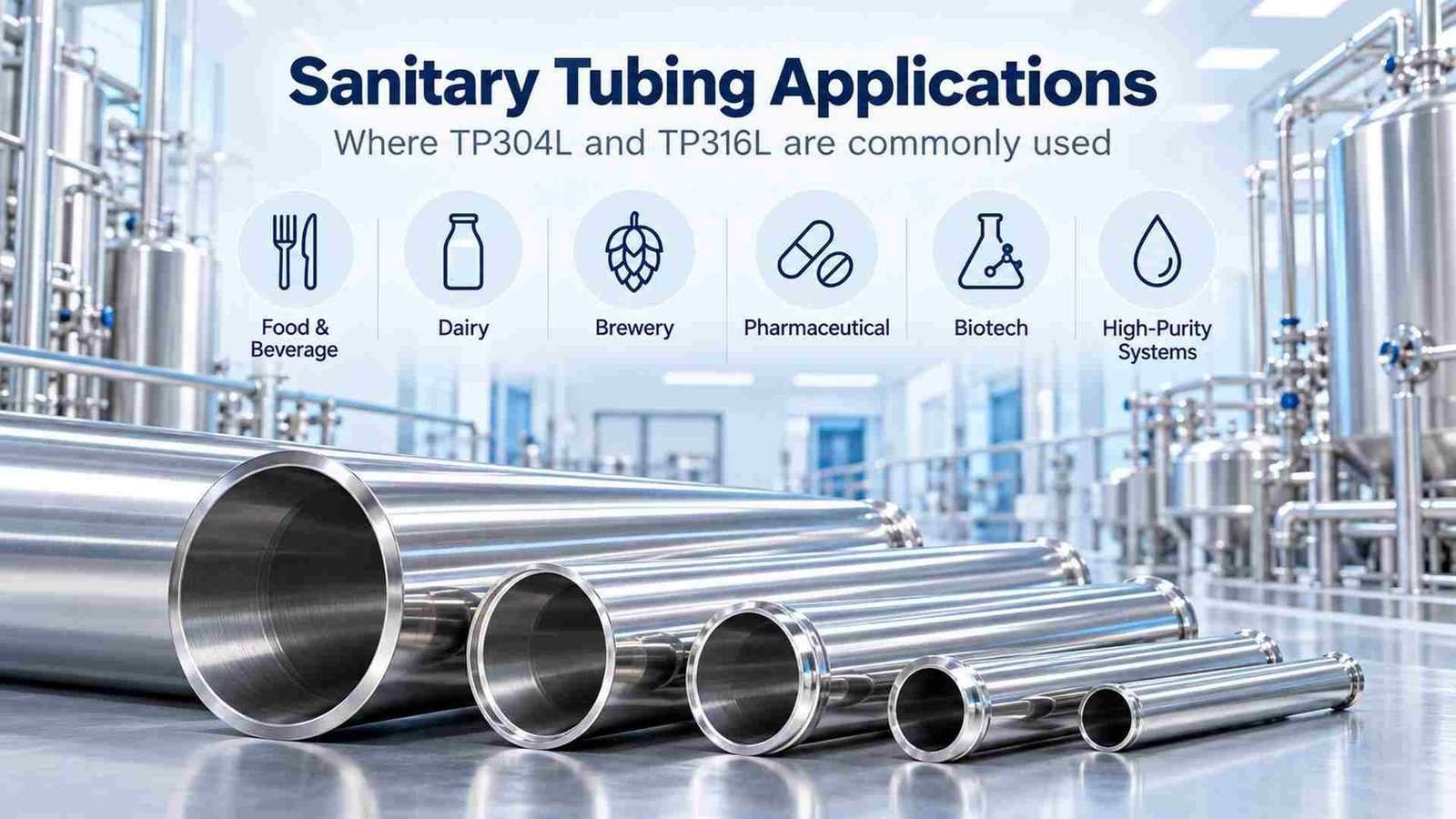
TP304L and TP316L are both widely used for stainless steel sanitary tubing, but they are selected for different process conditions. The main difference is that TP316L contains molybdenum, which improves resistance to pitting and crevice corrosion, particularly in chloride-containing or more aggressive environments.
| Comparison Factor | TP304L Sanitary Tubing | TP316L Sanitary Tubing |
|---|---|---|
| Main alloy system | Chromium-nickel stainless steel | Chromium-nickel-molybdenum stainless steel |
| Carbon content | Low carbon | Low carbon |
| Molybdenum | Not intentionally added | Typically about 2–3% |
| General corrosion resistance | Good | Higher |
| Chloride resistance | Moderate | Better |
| Pitting resistance | Good in mild service | Better in chloride-containing service |
| Weldability | Excellent | Excellent |
| Post-weld corrosion resistance | Good with correct welding and treatment | Better in more aggressive service conditions |
| Typical hygienic applications | Food, beverage, dairy, brewery | Food, dairy, brewery, pharmaceutical, biotech, high-purity systems |
| CIP suitability | Suitable for many standard cleaning conditions | Better suited to more aggressive cleaning conditions |
| Surface finish options | BA, MP, EP | BA, MP, EP |
| Common sanitary standards | ASTM A270, DIN 11850, EN 10357 and project-specific requirements | ASTM A270, ASME BPE, DIN 11850, EN 10357 and project-specific requirements |
| Relative material cost | Lower | Higher |
For many standard food, beverage and general hygienic applications, TP304L provides a good balance of corrosion resistance, weldability and cost. TP316L is generally preferred where the tubing will face higher chloride levels, more aggressive process media, stronger cleaning chemicals or stricter high-purity requirements.
However, material grade should not be selected in isolation. Buyers should also consider the process fluid, CIP/SIP conditions, operating temperature, surface roughness, welding method, tubing standard and expected service life before specifying TP304L or TP316L.
304L stainless steel sanitary tubing is a low-carbon variant of 304 stainless steel, designed to resist corrosion in various environments. This low carbon content is essential for minimizing carbide precipitation during welding, ensuring integrity in sanitary applications. You'll find 304L commonly used in food processing, pharmaceuticals, and other industries requiring stringent hygiene standards. Additionally, the material is compliant with ASME BPE standards, which ensures its suitability for high-purity applications.
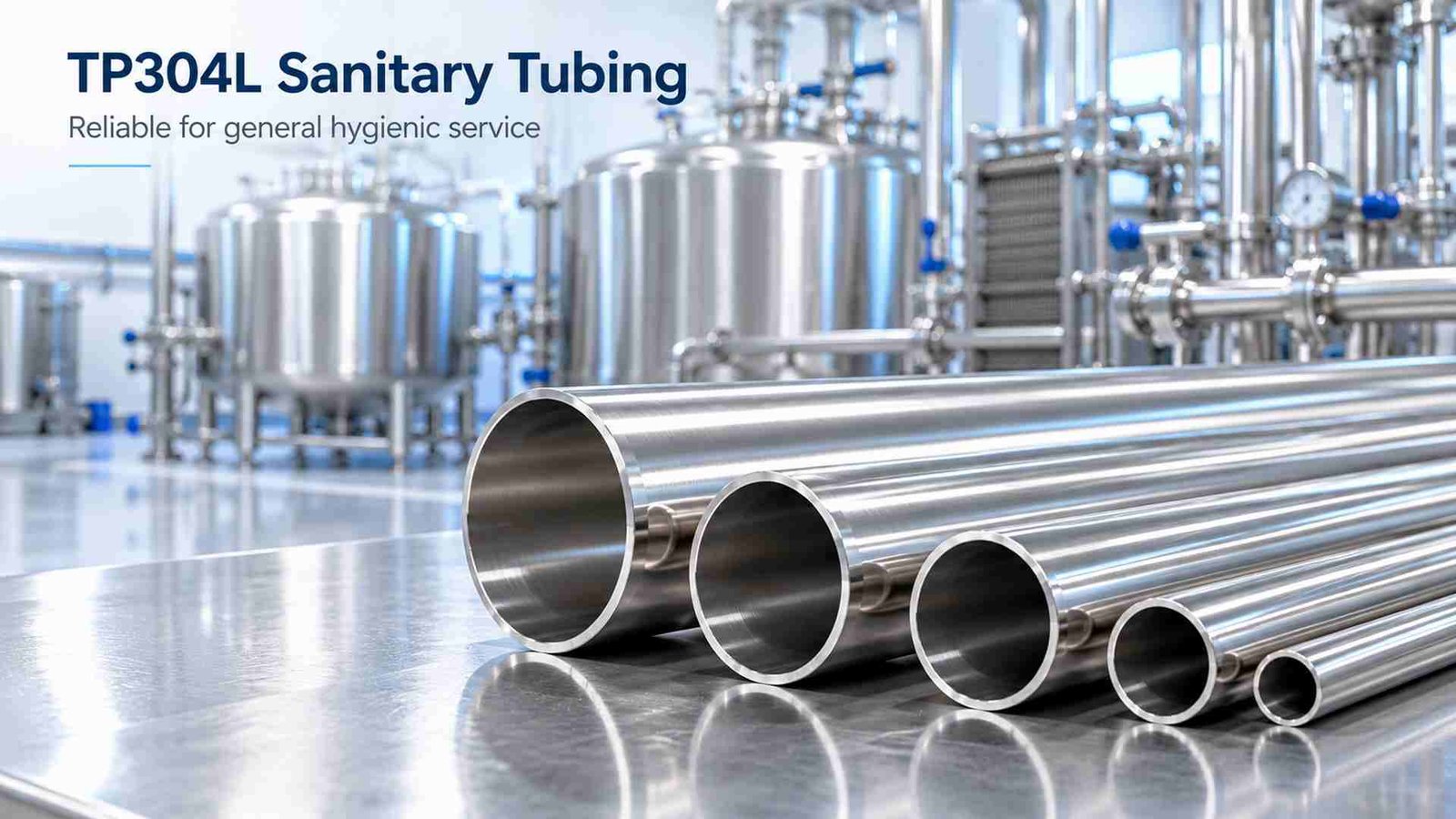
Though often overshadowed by its counterpart, 316L, 304L stainless steel is a popular choice for sanitary tubing due to its favorable chemical composition. The primary alloying elements in 304L are chromium and nickel, typically comprising 18% and 8%, respectively. This composition provides excellent corrosion resistance and durability, making it suitable for food grade stainless steel tubing applications. The "L" in 304L signifies low carbon content, which reduces the risk of carbide precipitation during welding. This characteristic enhances its performance in welding applications compared to standard 304. When evaluating 304L vs 316L stainless steel, it’s essential to take into account these chemical properties, as they directly influence the material’s suitability for various sanitary environments. Additionally, 304L is often regarded as a cost-effective choice for neutral pH environments, further highlighting its versatility in food processing applications.
While the low carbon content of 304L stainless steel plays a fundamental role in its performance, it’s especially significant in sanitary piping applications. The reduced carbon levels mitigate the risk of sensitization during welding, which can lead to intergranular corrosion. This is essential for welded sanitary systems, as corrosion resistance around heat-affected zones is paramount to maintaining integrity and hygiene. Furthermore, 304L's low carbon content enhances its suitability for fabrication and orbital welding processes, ensuring smoother welds and minimizing defects. When comparing tp304l tubing and tp316l tubing, you'll find that 304L’s properties make it highly effective for applications where cleanliness and durability are important, directly impacting the overall performance of sanitary piping systems. Additionally, the selection between 304 and 316L grades is based on medium, temperature, and cleaning methods, making it critical to choose the right grade for specific applications.
In sanitary piping applications, the choice of material is essential for maintaining the hygiene and integrity of the system. 304L stainless steel sanitary tubing is particularly favored across various industries due to its excellent corrosion resistance and low carbon content, making it suitable for high-purity environments. Its applications span food processing, beverage processing, dairy, and brewery sectors, where cleanliness is critical. Additionally, 304L is often used in purified and process water systems when conditions permit. This versatility makes it ideal for general hygienic process systems, including pharmaceutical stainless steel tubing. By selecting 304L sanitary stainless steel tubing, you guarantee compliance with stringent sanitation standards while benefiting from its durability and reliability in various applications. Furthermore, 304L tubing is manufactured to meet ASTM A270 compliance, ensuring high quality and safety in sanitary applications.
316L stainless steel sanitary tubing is known for its low carbon content and enhanced corrosion resistance, making it ideal for high-purity applications. Its chemical composition includes molybdenum, which improves its ability to withstand harsh environments. You'll find 316L tubing commonly used in industries like pharmaceuticals, food processing, and biotechnology, where maintaining hygiene is essential. This tubing also complies with GMP and FDA regulations, ensuring a sterile production environment.
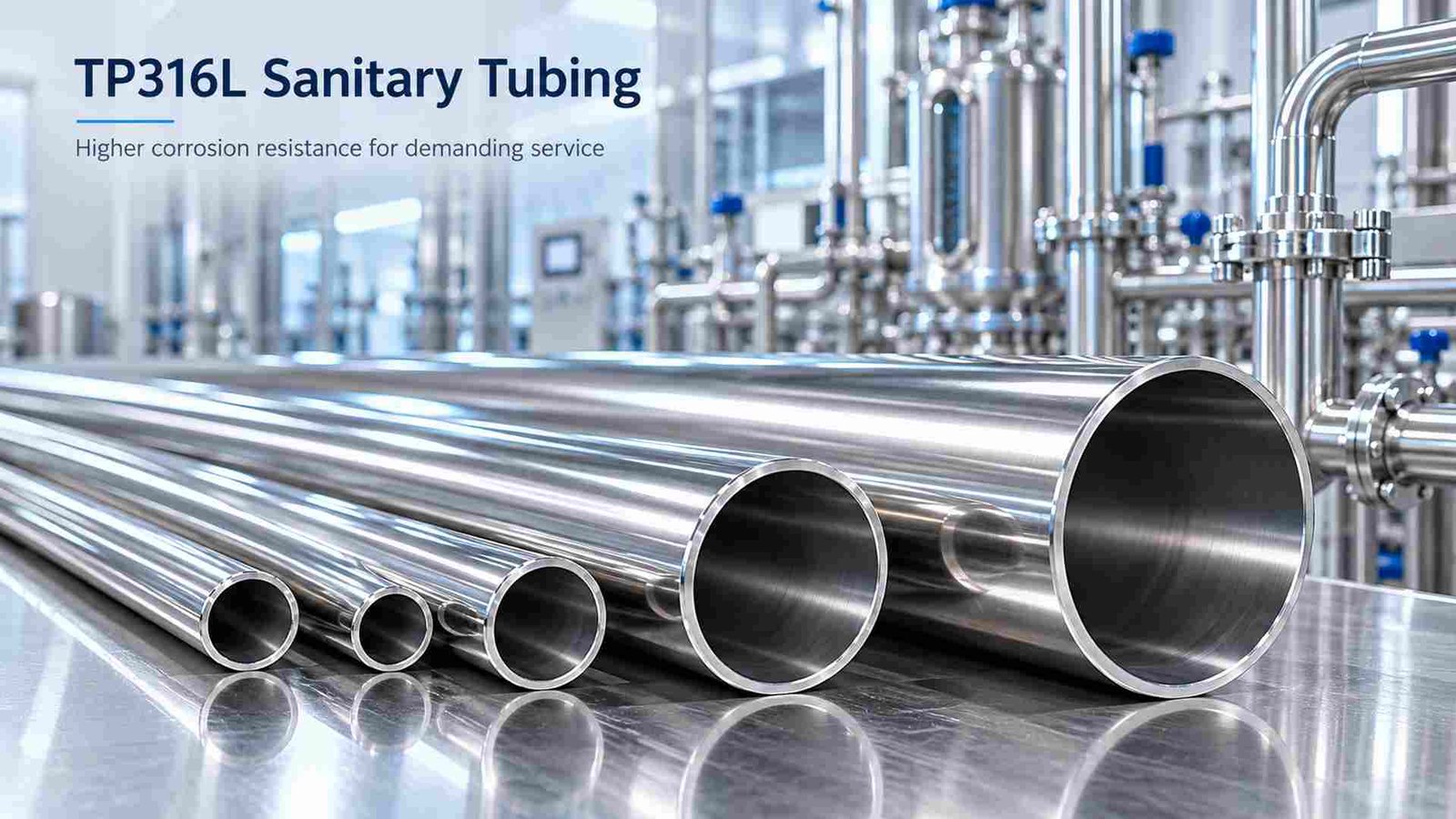
When considering the chemical composition of stainless steel, it is essential to note that 316L contains molybdenum, which sets it apart from other grades like 304L. This addition enhances its resistance to pitting and crevice corrosion, particularly in chloride environments. For applications requiring astm a270 tubing, choosing 316L guarantees you’re selecting a material that withstands harsher conditions, making it ideal for sanitary tubing material selection. The molybdenum content allows 316L to maintain strength and durability, even when exposed to corrosive substances. Therefore, if you're seeking a reliable option for higher-purity systems, 316L's chemical composition delivers the necessary performance characteristics while guaranteeing compliance with industry standards. This makes it a preferred choice for critical applications. Additionally, the corrosion resistance of 316L is further enhanced by its chromium-rich passive layer after Electropolishing, ensuring longevity in demanding environments.
The unique chemical composition of 316L stainless steel makes it particularly suited for higher-purity systems. Its superior corrosion resistance is vital when dealing with aggressive cleaning chemicals and chloride exposure, common in pharmaceutical and biotech applications. In environments where purity is paramount, the reduced risk of pitting and crevice corrosion guarantees that your processes remain uncontaminated. This is especially important in high-purity process applications, where even trace impurities can compromise product integrity. 316L’s ability to withstand harsh chemical environments without degrading allows for safer, more reliable operations. Consequently, you can maintain stringent control over the purity levels, making 316L the material of choice for systems that demand uncompromising standards in cleanliness and reliability. Additionally, automated CIP/SIP systems enhance cleaning efficiency, further ensuring compliance with hygiene standards.
In industries where hygiene and precision are critical, 316L stainless steel sanitary tubing is often the material of choice. Its exceptional corrosion resistance and low carbon content make it ideal for various applications. You'll find 316L commonly used in pharmaceutical production, biotechnology, and dairy processing, where maintaining purity is paramount. In breweries and beverage industries, it guarantees the integrity of the product by preventing contamination. Additionally, it’s a staple in high-purity water systems and aggressive food-processing environments. 316L tubing also withstands exposure to stronger CIP chemicals, making it suitable for cleaning in place systems. This versatility makes 316L a reliable choice for maintaining stringent sanitary standards across multiple sectors. Furthermore, it is engineered for intensive daily CIP cycles, ensuring efficient cleaning operations in dairy plants.
When comparing 304L and 316L stainless steels, the chemical composition plays a vital role in their performance, particularly the presence of molybdenum in 316L. This element enhances corrosion resistance, especially against chlorides, making 316L more suitable for certain applications. However, it is important to take into account whether a higher alloy content always translates to improved performance in specific environments. Additionally, the welding process used for manufacturing can significantly affect the overall quality and durability of the tubing.
Molybdenum plays a critical role in enhancing the corrosion resistance of 316L stainless steel, making it particularly valuable in challenging environments. Its presence markedly improves pitting resistance, which is essential in preventing localized corrosion that can lead to structural failures. In chloride-containing environments, such as marine applications or chemical processing, molybdenum helps mitigate crevice corrosion, a common issue where stagnant water can exacerbate corrosion rates. By incorporating molybdenum, 316L demonstrates superior durability against these aggressive conditions compared to its 304L counterpart. This characteristic makes 316L a preferred choice for industries that require reliability and longevity in their piping systems, ensuring you maintain control over corrosion-related risks in your operations. Additionally, the use of 304 or 316L low-carbon stainless steel ensures chemical inertness, further enhancing the tubing's performance in dairy applications.
While the enhanced corrosion resistance of 316L, thanks to its molybdenum content, makes it an appealing option for many applications, it isn't always necessary for every hygienic system. Your choice between 304L and 316L should depend on several factors. Consider the fluid chemistry; aggressive substances might warrant 316L, but benign fluids could suffice with 304L. Additionally, the types of sanitizing chemicals used can influence corrosion rates. Evaluate your operating environment, as extreme conditions may necessitate higher alloy content. Adhering to industry standards and customer specifications is essential, too. Finally, review lifecycle requirements; if the system has a short lifespan, investing in 316L may not be justified. Analyzing these factors will help you make an informed decision. Moreover, it is crucial to note that both 304L and 316L tubes are suitable for food and beverage processing, illustrating their versatility across various industries.
When comparing 304L and 316L sanitary tubing, corrosion resistance is a critical factor to evaluate. 316L offers superior protection against general corrosion, pitting, and crevice corrosion, particularly in chloride environments. Additionally, its performance after welding is often more reliable, making it a preferred choice for demanding applications. Furthermore, the use of austenitic stainless steels enhances the tubing's durability in various industrial applications.
Although both 304L and 316L stainless steels offer good corrosion resistance, the latter is generally superior due to its higher molybdenum content. Under normal hygienic processing conditions, 316L's enhanced resistance to chlorides, which are common in many cleaning agents and food products, makes it a preferred choice for sanitary applications. This increased resistance translates to a lower likelihood of general corrosion, ensuring longer service life and reduced maintenance costs. While 304L performs adequately in less aggressive environments, it may not withstand the same level of exposure to corrosive substances. Consequently, if you're managing equipment in demanding settings, opting for 316L can provide you with greater assurance and control over corrosion-related issues. Additionally, 316L stainless steel is fully compatible with automated CIP/SIP cleaning systems, further enhancing its suitability for beverage processing applications.
Pitting corrosion can occur when localized areas of a metal surface become susceptible to aggressive corrosive agents, leading to the formation of small, deep pits. In sanitary systems, this phenomenon is particularly concerning because these pits can harbor bacteria and other contaminants, compromising hygiene and safety. 304L stainless steel, while resistant, is more prone to pitting in chloride-rich environments compared to 316L, which contains molybdenum that enhances its resistance. When choosing tubing, consider the operating conditions, including exposure to chlorides and temperature, as these factors can influence the likelihood of pitting. Ultimately, selecting 316L can provide better long-term performance in challenging environments, ensuring the integrity and safety of your sanitary applications. Additionally, food grade stainless steel is essential for maintaining compliance with hygiene standards in food processing systems.
Crevice corrosion poses a significant risk in sanitary systems, particularly in areas where metal surfaces come together, such as fittings, clamps, and joints. Poorly designed dead legs and damaged surfaces can exacerbate these issues, creating microenvironments that trap corrosive agents. While 316L stainless steel offers better overall corrosion resistance than 304L, it's vital to understand that material choice alone can't compensate for poor hygienic system design. Even the most corrosion-resistant materials can succumb to crevice corrosion if the design doesn't promote proper drainage and cleanability. As a result, prioritizing hygienic design principles is essential for maintaining integrity in your systems, ensuring that you mitigate the risk of crevice corrosion effectively. Furthermore, adherence to ISO 9001 Quality Management System Certification can help ensure that manufacturing processes support the prevention of such corrosion issues.
When considering materials for sanitary tubing, chloride exposure is a critical factor that can greatly impact corrosion resistance, especially between 304L and 316L stainless steel. Chlorides can originate from various sources, such as process water, cleaning chemicals, raw materials, coastal atmospheres, and salts used in food processing. 316L stainless steel contains molybdenum, which enhances its resistance to pitting and crevice corrosion in chloride environments. In contrast, 304L lacks this alloying element, making it more vulnerable to chloride-induced corrosion. If your application involves exposure to chlorides, opting for 316L will provide you with superior durability and longevity, minimizing maintenance and replacement costs. Understanding this difference guarantees you select the right material for your specific needs. Additionally, 316/316L stainless steel is recommended for applications with aggressive CIP cycles, providing enhanced protection against corrosive elements.
Although both 304L and 316L stainless steels are widely used in sanitary tubing applications, their susceptibility to corrosion after welding can differ markedly due to their chemical compositions and the welding processes employed. To guarantee peak performance and longevity, consider the following factors:
When selecting materials for Clean-in-Place (CIP) and Sterilize-in-Place (SIP) systems, you need to take into account how cleaning chemicals affect corrosion resistance. The temperature and concentration of these chemicals can make 316L a better choice for more aggressive CIP conditions. However, SIP systems don't automatically require 316L; understanding the specific application is essential for material selection. Additionally, the choice of material should consider the chemical corrosion resistance as highlighted in the semiconductor industry requirements.
Selecting the right material for sanitary tubing in cleaning-in-place (CIP) and sterilization-in-place (SIP) systems is essential, particularly when considering the impact of various cleaning chemicals. The choice between 304L and 316L can greatly affect corrosion resistance and longevity in diverse environments.
Consider these common cleaning scenarios:
Additionally, the surface finishes of the tubing can enhance its durability against these cleaning agents.
Understanding these factors allows you to make an informed selection tailored to your specific cleaning requirements.
The effectiveness of cleaning processes in CIP and SIP systems is greatly influenced by cleaning temperature and concentration. The performance of materials like 304L and 316L depends on several factors: chemical properties, concentration levels, temperature, exposure time, and cleaning frequency. Understanding these interactions can help you optimize your cleaning protocols. Additionally, the customization process can be important when selecting materials for specific applications.
| Factor | Importance |
|---|---|
| Chemical Type | Determines compatibility |
| Concentration Level | Affects cleaning efficiency |
| Temperature | Influences reaction rates |
| Exposure Time | Impacts residue removal |
| Cleaning Frequency | Affects system cleanliness |
While both 304L and 316L stainless steels are commonly used in sanitary applications, 316L is often the preferred choice for aggressive Clean-in-Place (CIP) conditions due to its superior corrosion resistance. This enhanced resistance can greatly improve lifecycle performance, guaranteeing your systems remain operational with minimal maintenance. Here are four reasons why 316L stands out:
Additionally, 316L tubing is primarily manufactured from premium material selection, ensuring compliance with FDA and GMP requirements. Choosing 316L for CIP applications helps guarantee reliability and efficiency in your sanitary systems.
How do you determine whether SIP systems require 316L stainless steel? It’s vital to evaluate the entire service condition instead of assuming that SIP automatically necessitates 316L. Factors like temperature, pressure, and chemical exposure play significant roles in material selection.
| Grade | Best Use Case |
|---|---|
| 304L | Moderate conditions |
| 316L | Aggressive environments |
| Both | Specific applications |
Choosing the right grade should be based on an all-encompassing analysis of your system's requirements. While 316L offers enhanced corrosion resistance, it may not always be necessary for every SIP scenario. Always prioritize informed decision-making to guarantee operational integrity. Additionally, understanding the corrosion resistance standards is essential in selecting the appropriate material for your specific application.
When considering surface finish for sanitary applications, the choice between 304L and 316L tubing can greatly impact performance. You'll need to evaluate factors like material grade, surface roughness, and the effectiveness of mechanical and electropolishing processes for both grades. Additionally, comparing bright annealed finishes can provide insights into which option better meets your sanitary requirements.
Although both material grade and surface roughness are vital considerations in the selection of sanitary tubing, they represent separate specification decisions that should not be conflated. You need to recognize that selecting the right surface finish is just as important as choosing between 304L and 316L.
Consider these surface finish specifications:
Ultimately, while 304L and 316L offer different properties, the surface roughness you choose will directly impact cleanliness and performance. Additionally, maintaining internal surface roughness between 0.4μm and 0.8μm is crucial to prevent biofilm formation. Make informed decisions to guarantee ideal results for your sanitary applications.
While both 304L and 316L stainless steels can achieve high-quality sanitary surfaces through mechanical polishing, the specifics of ID (internal diameter) and OD (outer diameter) polishing, as well as grit finish and roughness requirements, play vital roles in determining the effectiveness of the surface finish.
ID polishing is essential for ensuring fluid flow and minimizing contamination, while OD polishing contributes to overall hygiene and aesthetic quality. The choice of grit finish greatly affects surface roughness; finer grits yield smoother surfaces, which are important for sanitary applications. Typically, a roughness average (Ra) of less than 0.5 micrometers is desirable. As a result, understanding these aspects allows you to determine which material best meets your sanitary requirements and operational standards.
Electropolishing (EP) is often specified for 304L and 316L stainless steels to achieve superior sanitary surfaces, particularly in high-purity systems. This process enhances the overall quality of your tubing, ensuring it meets stringent industry standards. Here are four key benefits of electropolishing:
When comparing bright annealed (BA) tubing made from 304L and 316L stainless steels, it is crucial to understand that BA refers to a specific processing and finish condition rather than the material grade itself. Both 304L and 316L can achieve a bright annealed finish, which enhances their corrosion resistance and overall surface quality. However, the inherent properties of each grade influence the final surface performance. 316L, with its added molybdenum, generally provides superior resistance to pitting and crevice corrosion, making it preferable for highly sanitary applications. While both grades can offer a smooth, clean surface, 316L typically yields a better sanitary finish under rigorous conditions. Consequently, if sanitation is your priority, consider opting for 316L bright annealed tubing.
When considering the weldability of 304L and 316L, both grades are generally suitable for sanitary welding, but important differences exist. You'll want to pay attention to orbital welding techniques and the implications of low carbon content on post-weld corrosion resistance. Remember, the quality of the weld itself can greatly impact performance, making it vital to focus on both material grade and weld quality.
How do 304L and 316L grades stack up regarding weldability for sanitary applications? Both grades are widely used in welded hygienic systems, and each has its merits. Here’s how they compare:
Although both 304L and 316L exhibit excellent weldability, several factors must be considered for orbital welding in sanitary applications. Key aspects include dimensional consistency, tube end preparation, and weld cleanliness. Shielding is essential to prevent contamination during the welding process. Repeatability guarantees high-quality welds, while matching fittings play a significant role in achieving optimal results.
| Consideration | 304L | 316L |
|---|---|---|
| Dimensional Consistency | High | High |
| Tube End Preparation | Important | Important |
| Weld Cleanliness | Critical | Critical |
| Shielding | Necessary | Necessary |
Understanding why low carbon content matters after welding is essential for guaranteeing the integrity of stainless steel in sanitary applications. The "L" grades, like 304L and 316L, contain lower carbon levels, which notably reduces the risk of carbide precipitation during welding. Here are key points to reflect on:
While the material grade of stainless steel, such as 304L or 316L, plays an important role in determining corrosion resistance and overall performance, the quality of the weld itself can greatly impact the system's reliability. A poorly executed 316L weld might introduce more sanitary and corrosion issues than a well-fabricated 304L system, especially in appropriate service conditions. As a result, it’s essential to focus not only on selecting the right material but also on employing skilled welders and adhering to stringent welding procedures. Proper preparation, technique, and post-weld treatment are critical to guarantee that the integrity of the weld matches the material's capabilities. Ultimately, a holistic approach to both weld quality and material selection is necessary for peak performance in sanitary applications.
When choosing between 304L and 316L sanitary tubing, it's essential to take into account that corrosion resistance and hygiene often take precedence over sheer strength. The mechanical properties of these materials, while important, are secondary to their ability to withstand harsh environments and maintain sanitary conditions. Understanding these priorities can guide you in selecting the right tubing for your application. Additionally, the high-purity TP304L and TP316L stainless steel meet ASME BPE/3A standards, ensuring reliability in various industrial applications.
Although strength is often a key consideration in material selection, the importance of corrosion resistance and hygiene cannot be overstated, especially in industries that demand sanitary conditions. When making purchasing decisions for sanitary tubing, consider the following:
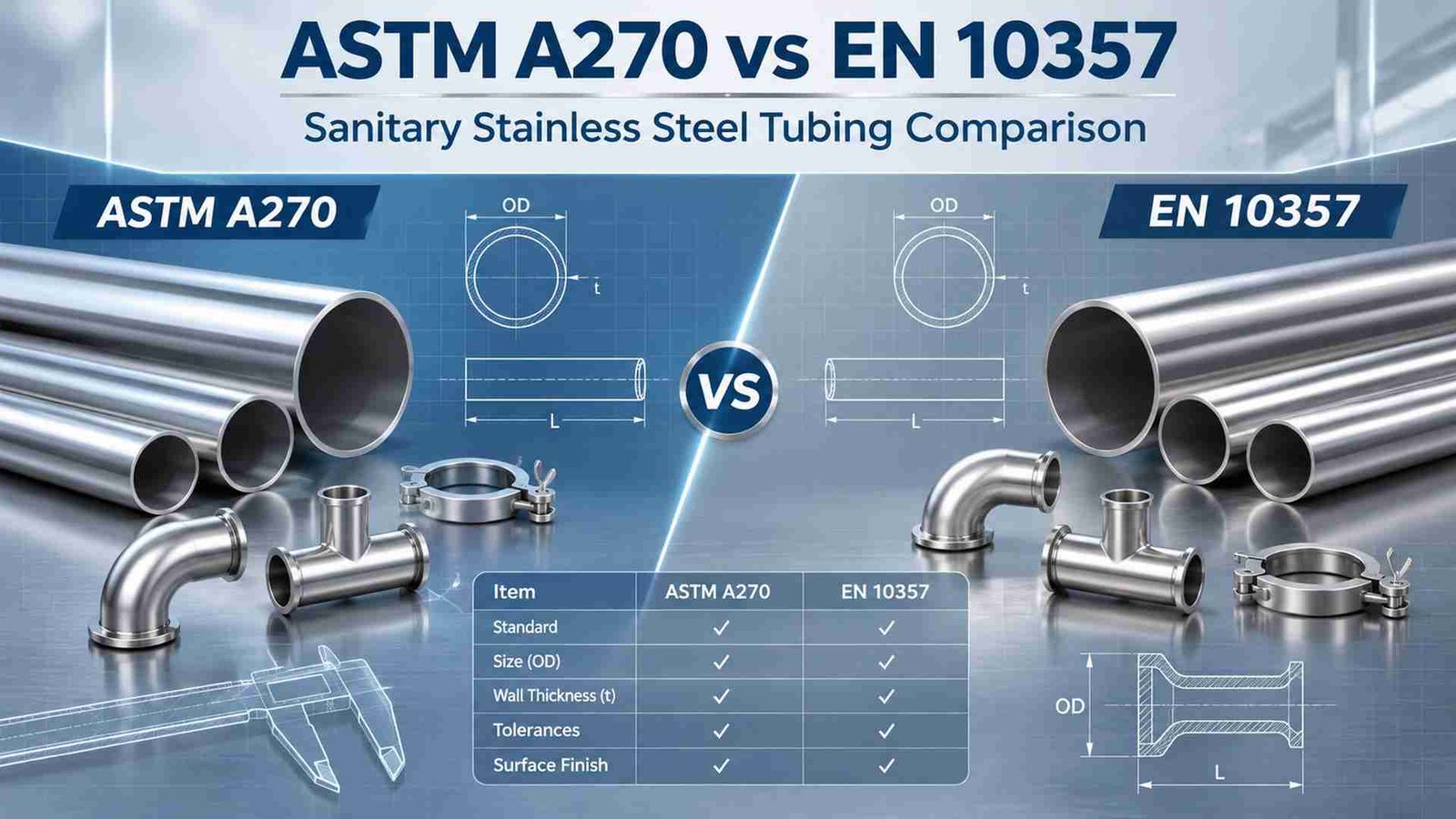
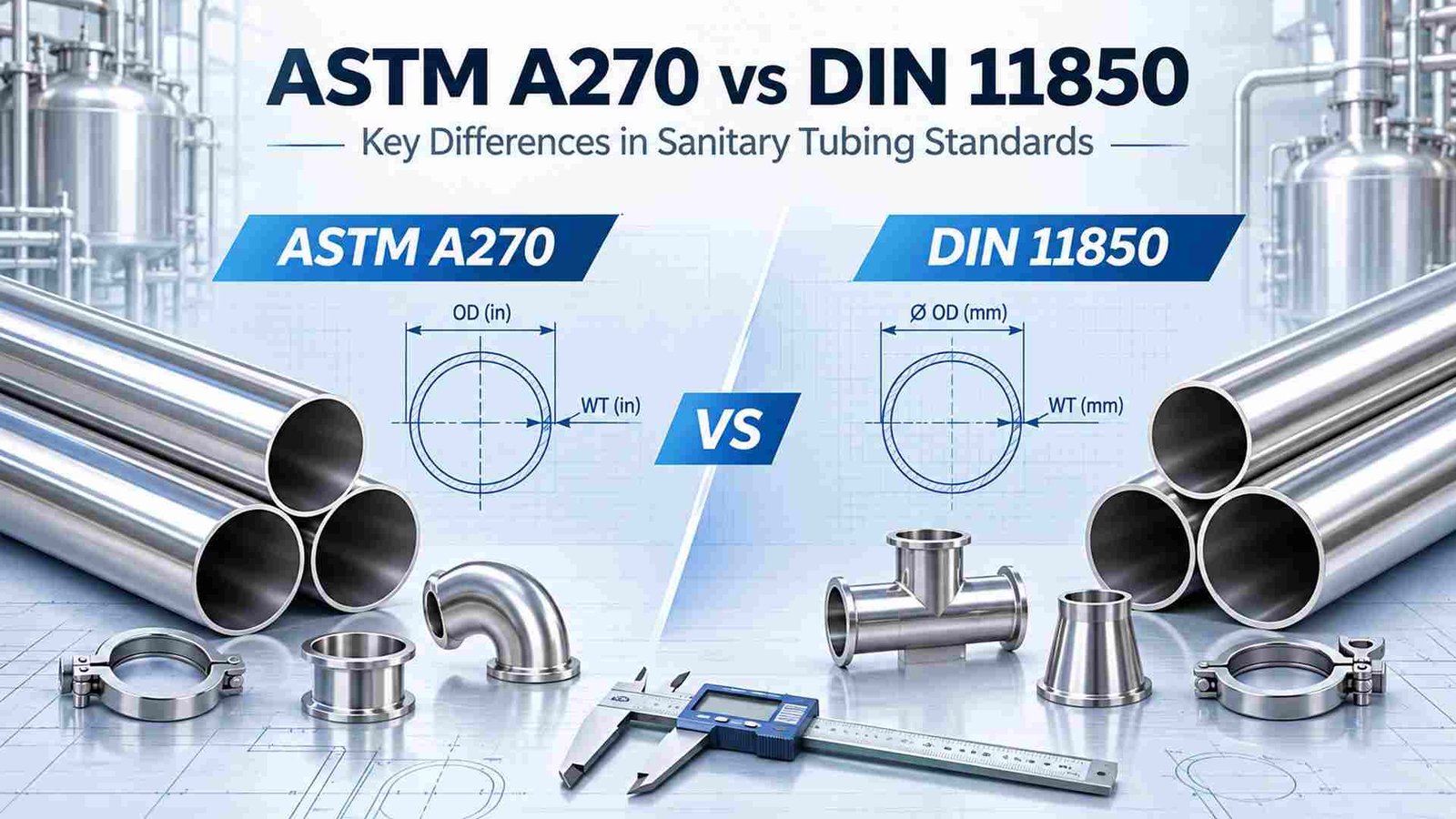
When evaluating 304L and 316L sanitary tubing, understanding the relevant standards is essential. Standards like ASTM A270, EN 10357 , ASME BPE, DIN 11850 outline specific requirements for material properties and applications in sanitary environments. Additionally, the 3-A Standards provide guidelines that guarantee hygienic practices in food and beverage processing.
While both ASTM A270 specifications cover sanitary tubing, the differences between 304L and 316L stainless steel grades can greatly impact your project's requirements. When selecting the appropriate grade, consider the following key factors:
In the context of ASME BPE standards, 316L stainless steel is often favored for pharmaceutical and high-purity installations due to its superior surface condition and corrosion resistance. The smooth surface finish minimizes microbial adhesion and biofilm formation, critical for maintaining product integrity. Additionally, 316L offers enhanced traceability, guaranteeing each batch meets stringent manufacturing specifications, which is fundamental in regulated environments. Its fabrication processes are well-documented, allowing for consistent quality control throughout production. Moreover, 316L meets high-purity expectations, as it resists pitting and stress corrosion, making it ideal for applications involving aggressive chemicals. However, it’s essential to verify that specific 316L tubing complies with ASME BPE to confirm it meets your operational requirements.
Understanding the differences between 304L and 316L stainless steel in the context of DIN 11850 and EN 10357 standards is essential for guaranteeing compliance in European hygienic tubing applications. When choosing the right material, you should pay attention to the following factors:
When selecting between 304L and 316L stainless steel for sanitary tubing applications, it is crucial to recognize that these material grades serve distinct purposes under common standards. You should separate the material grade, tubing standard, and hygienic design requirements when making your choice. 304L is often adequate for less corrosive environments, while 316L excels in settings with higher exposure to chemicals or harsher conditions. The tubing standard dictates dimensions and tolerances, ensuring compatibility with your system. Meanwhile, hygienic design requirements focus on preventing contamination and facilitating cleaning. By distinguishing these elements, you can make informed decisions that align with your specific application needs, ensuring peak performance and compliance with industry standards.
When considering 304L and 316L sanitary tubing, it is crucial to evaluate their applications across various industries like food processing, beverage processing, and pharmaceutical manufacturing. Each sector has specific requirements for corrosion resistance and hygiene, which can influence your choice of material. Understanding these differences can help you select the most suitable tubing for your operational needs.

Although 304L stainless steel is often adequate for many food processing applications, 316L becomes vital in environments where higher resistance to corrosion is necessary. Here’s when you might prefer one over the other:
Choosing the right material can greatly affect your operation’s efficiency and longevity. Make informed decisions to guarantee the durability and safety of your food processing systems.
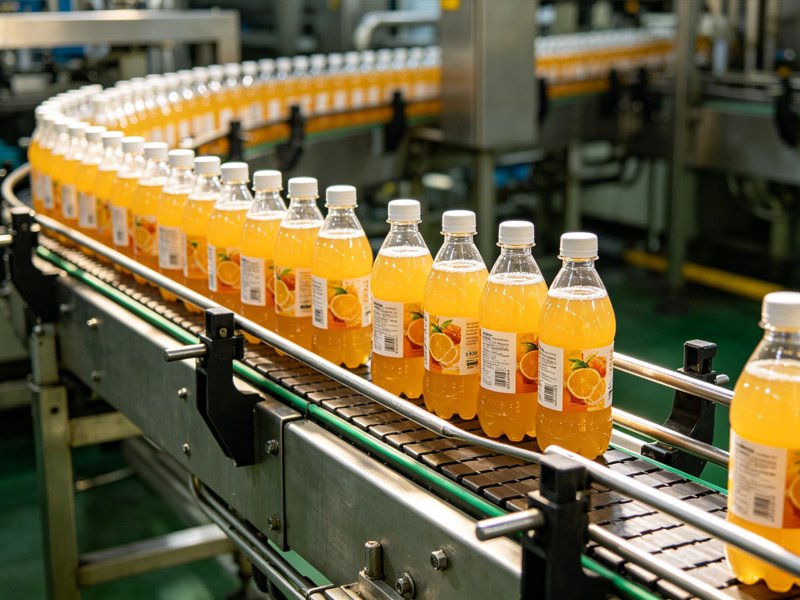
In beverage processing, the choice between 304L and 316L stainless steel can greatly impact product quality and equipment longevity. When dealing with soft drinks, juices, and water, 304L is often sufficient due to its good corrosion resistance and cost-effectiveness. However, if you're working with process chemicals or more aggressive substances, 316L's superior resistance to pitting and crevice corrosion makes it a more reliable choice. The enhanced molybdenum content in 316L provides additional protection, ensuring your equipment remains intact over time. Ultimately, selecting the right material depends on your specific processing environment and the nature of the beverages involved. Prioritizing durability and compliance with sanitary standards can lead to better outcomes in your operations.
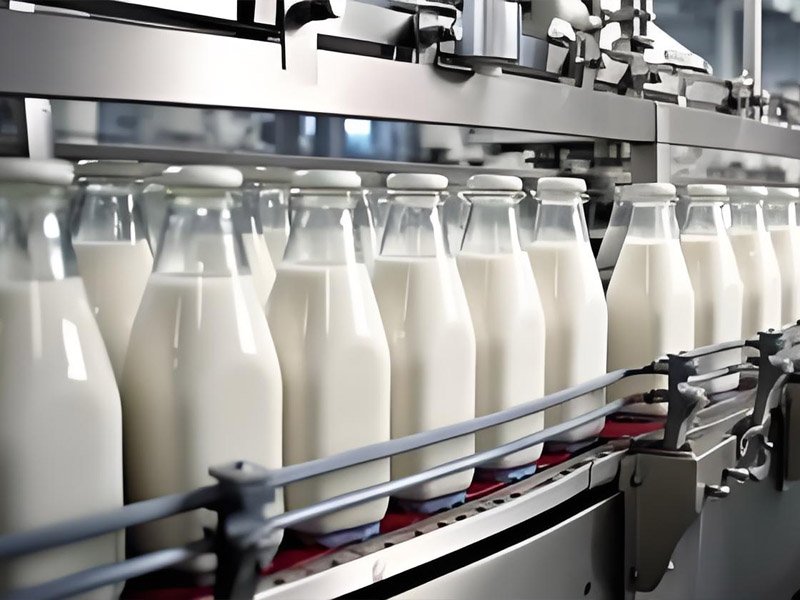
The choice between 304L and 316L stainless steel is just as important in dairy processing as it is in beverage processing. When dealing with milk and dairy products, certain factors must be considered to guarantee safety and efficiency:
Ultimately, for dairy applications, 316L is often the preferred choice, guaranteeing both compliance and quality. Additionally, choosing the right materials can significantly impact customer satisfaction and overall efficiency in production processes.
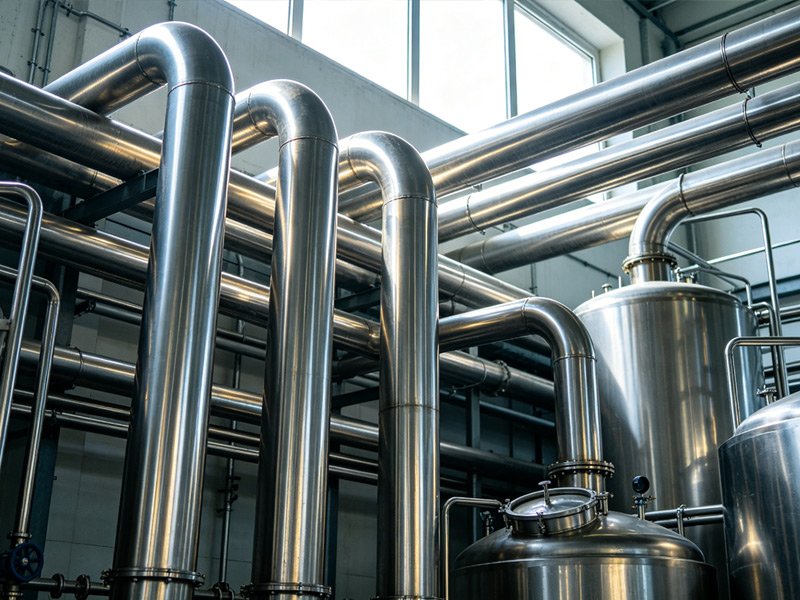
When selecting stainless steel for brewery systems, understanding the differences between 304L and 316L is vital, especially considering the specific processes involved in brewing water, wort, and beer production. 316L is often favored due to its improved resistance to chlorides, which can lead to pitting and corrosion, particularly in cleaning chemicals used for sanitation. The higher chloride levels in cleaning solutions can greatly impact the longevity of your equipment. Additionally, during the fermentation process, the materials in contact with the beer must withstand varying pH levels and temperatures. Choosing 316L guarantees that your brewery systems remain hygienic and durable, allowing for consistent beer quality. Therefore, investing in the right stainless steel can enhance efficiency and reduce maintenance concerns.
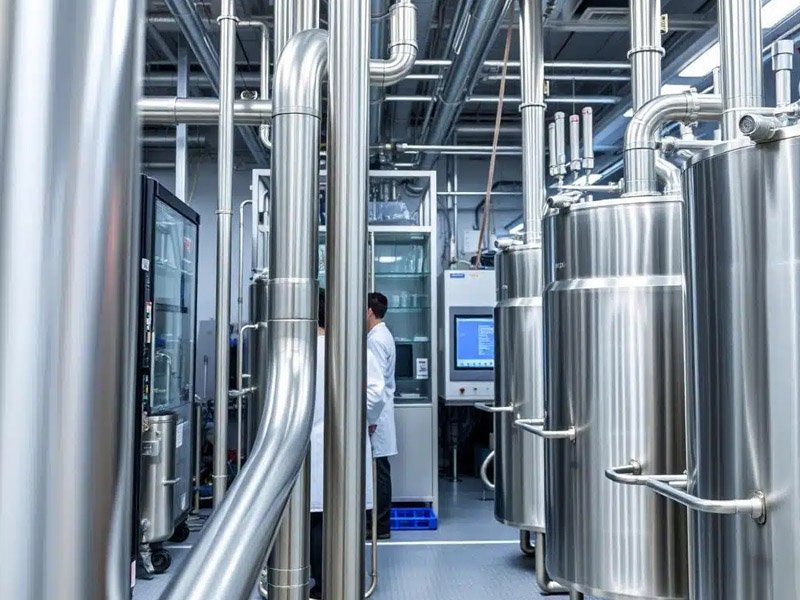
Choosing the right stainless steel for pharmaceutical manufacturing is imperative, as the purity and corrosion resistance of materials directly impact product safety and efficacy. When evaluating 304L and 316L, 316L is often favored due to its superior characteristics. Here are four reasons why:
Selecting 316L guarantees compliance with stringent industry standards, safeguarding product integrity.
In biotechnology and high-purity processing, selecting the right stainless steel tubing is essential for maintaining the integrity of products and processes. 304L and 316L stainless steels offer distinct advantages, particularly in cleanliness and surface finish. 316L, with its superior corrosion resistance, is often preferred in environments requiring stringent hygiene standards. Electropolishing can enhance both grades, providing a smoother surface that minimizes contaminants. Documentation and traceability are vital; guarantee that your tubing meets industry certifications and specifications to maintain compliance. Ultimately, your choice between 304L and 316L should be guided by specific application requirements, including exposure to corrosive elements and the necessity for high-purity processing. Make informed decisions to guarantee peak performance and product safety.
When comparing 304L and 316L sanitary tubing, you'll notice that the cost of 316L is typically higher due to its enhanced corrosion resistance and durability. While the initial price may deter some, it's essential to evaluate the lifecycle cost and long-term benefits of 316L in certain applications. In specific scenarios, opting for 304L might be more economical, particularly if the environment doesn’t demand the superior properties of 316L.
The difference in cost between 304L and 316L sanitary tubing primarily stems from the alloying elements and raw material pricing involved in their production. 316L contains molybdenum, which enhances its corrosion resistance and overall durability, making it a more desirable option for applications in harsh environments. This extra protection comes at a higher price due to several factors:
While the initial price of 304L sanitary tubing may seem more appealing, a thorough analysis of lifecycle costs reveals that opting for 316L can often be more economical in the long run. The 316L's superior corrosion resistance greatly reduces the risk of material failure, which can lead to costly replacements. Additionally, its durability minimizes downtime associated with maintenance and cleaning, allowing for uninterrupted operations. Lower contamination risks with 316L mean less frequent cleaning cycles and fewer health-related expenditures. Over time, these factors collectively enhance the overall value of 316L. As a result, when you consider all variables—corrosion risk, maintenance, and potential downtime16L emerges as a prudent investment for long-lasting performance and cost efficiency.
Opting for 316L sanitary tubing can be justified in scenarios where specific environmental conditions or regulatory requirements demand higher performance. Here are some situations where the additional cost may be worth it:
Investing in 316L can greatly enhance system longevity and safety, making it a strategic decision for your operations.
Choosing 304L sanitary tubing can often be a more economical option in various applications, particularly when the environmental conditions are less demanding than those requiring 316L. To avoid over-specification, assess your application’s specific needs, including temperature, corrosion potential, and regulatory requirements. Additionally, stainless steel sanitary tube options are available to suit a variety of industrial needs.
Consider the following comparison:
| Feature | 304L Tubing |
|---|---|
| Cost | Lower |
| Corrosion Resistance | Moderate |
| Temperature Tolerance | Up to 870°C |
| Weldability | Excellent |
| Common Applications | Food & Beverage |
Mixing 304L and 316L in the same sanitary piping system raises important technical compatibility concerns, particularly regarding fittings and valves that must match the tube material. You’ll need to take into account corrosion resistance and maintenance implications, as 316L offers superior performance in harsher environments compared to 304L. Careful evaluation of these factors is essential to guarantee system integrity and longevity.
While it's possible to use both 304L and 316L stainless steel in the same sanitary piping system, doing so requires careful engineering consideration. Mixing these materials can lead to compatibility issues, affecting system performance. Here are four critical factors to keep in mind:
When designing a sanitary piping system, it is crucial to take into account not just the tubing material but also the compatibility of fittings and valves with both 304L and 316L stainless steels. Mixing these materials can lead to issues such as differential corrosion rates and compromised structural integrity. For peak performance, you should verify that all components—fittings, valves, and tubing—are compatible and suitable for the specific application. This means checking that the materials used in fittings and valves align with the corrosion resistance and mechanical properties of the selected tubing. A thorough evaluation of the entire system prevents potential failures and maintains the integrity of your sanitary process, guaranteeing consistent performance and reliability.
Although both 304L and 316L stainless steels offer excellent corrosion resistance, mixing them in the same sanitary piping system can complicate maintenance and operational efficiency. Consistent material specifications are key for several reasons:
When choosing between 304L and 316L sanitary tubing, start by identifying the process fluid you'll be handling, as this can greatly impact material selection. Next, review your cleaning and sanitizing processes, as well as the operating temperature and pressure, to guarantee compatibility. Finally, confirm the required sanitary standards and define the necessary surface finish to meet your application’s needs.
Identifying the process fluid is essential in determining whether to use 304L or 316L sanitary tubing. Each alloy’s properties cater to different fluid characteristics. Here’s what to take into account:
These factors will guide you in making an informed decision, ensuring you select the right tubing for your specific application.
After determining the characteristics of your process fluid, the next consideration is the cleaning and sanitizing process. You'll want to evaluate the compatibility of your chosen tubing material 304L or 316L—with the cleaning-in-place (CIP) chemicals you'll use. Concentration levels of these chemicals can notably impact the material's corrosion resistance. Additionally, assess the temperature at which you’ll perform cleaning; higher temperatures can enhance efficacy but may also pose risks to certain materials. Finally, consider the frequency of cleaning cycles. Frequent sanitizing may necessitate the more corrosion-resistant 316L, especially in harsher environments. By carefully analyzing these factors, you can guarantee the longevity and reliability of your sanitary tubing system. Furthermore, understanding the corrosion resistance of 316L compared to 304L is crucial in selecting the appropriate material for your application.
To guarantee ideal performance of your sanitary tubing system, it’s essential to check the operating temperature and pressure, as these factors greatly influence the choice between 304L and 316L materials. Remember, material choice is just one component of tubing specification.
Consider the following:
Choosing the right sanitary standard is an essential step in determining whether 304L or 316L sanitary tubing is appropriate for your application. Standards guarantee compliance and safety in various industries, so you must verify which ones apply. Here are some key standards to take into account:
| Standard | Description |
|---|---|
| ASTM A270 | Covers sanitary stainless steel tubing for food and beverage applications. |
| ASME BPE | Focuses on bioprocessing equipment and materials. |
| DIN 11850 | Specifies dimensions for stainless steel tubes in food and beverage sectors. |
When selecting between 304L and 316L sanitary tubing, defining the required surface finish is essential, as it directly impacts both performance and compliance with industry standards. Here are some common surface finish types to take into account:
After defining the required surface finish, the next aspect to contemplate is the welding and fabrication requirements for 304L and 316L sanitary tubing. Both materials can be joined using orbital welding, a method that guarantees clean, consistent welds vital for sanitary applications. When selecting fittings, consider compatibility with your chosen tubing; 316L often provides better corrosion resistance, making it preferable in aggressive environments. Prefabrication can streamline your installation process but requires careful planning to accommodate the specifics of each material. Finally, verify you maintain thorough weld documentation, as it’s essential for compliance and traceability in sanitary systems. By addressing these factors, you’ll enhance the integrity and performance of your tubing system.
While evaluating the choice between 304L and 316L sanitary tubing, it’s important to compare initial costs against expected service life. 304L typically has a lower upfront cost, making it an attractive option for applications where corrosion resistance is less of a concern. However, taking service life into account can provide a clearer picture.
Here are four key factors to weigh:
Use 304L where conditions permit; specify 316L where additional corrosion resistance offers a meaningful advantage.
Selecting between 304L and 316L sanitary tubing requires careful consideration of various factors to confirm suitability for your specific application. Begin by confirming your application and industry, along with the process fluid and its chemical composition. Assess chloride exposure, CIP/SIP conditions, operating temperature, and pressure. Specify the tube standard, material grade, and dimensions like OD or DN and wall thickness. Determine tube length, surface finishes for ID and OD, and maximum Ra requirements. Decide on BA/MP/EP specifications and whether welded or seamless construction is needed. Clarify welding or fabrication requirements, inspection methods, test requirements, and material certificates. Finally, verify traceability, packaging, and required quantity align with your operational standards.
When choosing between 304L and 316L sanitary tubing, it’s easy to make critical mistakes that can affect your application. You might be tempted to select 304L purely based on cost, or specify 316L without evaluating if it’s truly necessary. Ignoring factors like chloride exposure and surface finish can also lead to suboptimal performance and reliability.
Choosing 304L solely for its lower cost can lead to significant pitfalls in applications requiring high corrosion resistance and durability. While it may seem economically prudent, the long-term implications can outweigh initial savings. Here are some key considerations:
In essence, opting for 304L purely on cost can jeopardize your system's integrity and reliability.
Though specifying 316L might seem like a safe bet for ensuring corrosion resistance, it’s essential to evaluate whether its enhanced properties are truly necessary for your specific application. 316L offers improved resistance to certain corrosive environments, but if your application doesn’t involve significant exposure to those conditions, 304L may suffice.
Evaluating factors such as fluid composition, operating temperature, and environmental exposure is vital. Choosing 316L without proper assessment can lead to unnecessary costs and over-engineering.
While many factors influence the selection of sanitary tubing, overlooking the potential impact of chloride exposure can lead to significant issues. Choosing the wrong material can result in pitting corrosion and premature failure. To avoid these pitfalls, consider the following:
When selecting sanitary tubing, many overlook the essential role of surface finish, mistakenly believing that material grade alone—like 304L or 316L—determines overall performance. The surface finish greatly impacts hygiene, flow characteristics, and resistance to corrosion. A proper finish can prevent bacteria buildup and guarantee that your system operates efficiently.
| Material Grade | Surface Finish Type | Typical Application |
|---|---|---|
| 304L | Ra 0.8 µm | Food processing |
| 316L | Ra 0.4 µm | Pharmaceutical production |
| 304L | Ra 0.5 µm | Dairy industry |
| 316L | Ra 0.2 µm | Biotechnology |
| 304L | Ra 1.6 µm | General purpose |
Neglecting surface finish can lead to costly issues down the line, so take both factors into account for best results.
Many assume that all 316L sanitary tubing is of uniform quality, but this misconception can lead to significant operational challenges. Variations in manufacturing processes can result in significant differences in quality. Consider these essential factors when evaluating 316L tubing:
Understanding these factors will empower you to make informed decisions rather than relying on assumptions.
Neglecting the compatibility of fittings and connections can lead to serious issues in both installation and long-term performance of 304L and 316L sanitary tubing. When selecting your tubing, verify that the fittings are specifically designed for the material and application. Mismatched connections can result in leaks, contamination, and increased maintenance costs. Here’s a quick reference table to guide your selection:
| Connection Type | 304L Tubing Compatibility | 316L Tubing Compatibility |
|---|---|---|
| Tri-Clamp | Yes | Yes |
| Welded | Yes | Yes |
| Threaded | Limited | Limited |
Focusing solely on the material grade of 304L or 316L sanitary tubing can lead to significant oversights in hygienic design. It’s vital to remember that material grade alone doesn't guarantee a sanitary environment. Here are common mistakes to avoid:
When reaching out to a sanitary tubing manufacturer, what specific details should you provide to guarantee your needs are met? Start with the material type—TP304L or TP316L—and relevant standards like ASTM A270 or ASME BPE. Specify the size, wall thickness, and length required. Don’t forget the internal and external surface finishes, including maximum Ra requirements and finishes like BA, MP, or EP. Outline any testing and documentation requirements, along with the quantity and intended application. If there are special fabrication needs, mention those too. Providing actual process conditions can help prevent both under-specification and unnecessary over-specification, ensuring you get the exact tubing tailored to your operational needs.
When choosing between 304L and 316L sanitary tubing, your decision should be based on the specific application requirements. Opt for 304L if you're working with less corrosive environments, while 316L is ideal for more aggressive conditions, particularly in chemical and marine applications. Understanding these distinctions will help you select the right material for peak performance and longevity.
If you're working in environments where process conditions are relatively mild and chloride exposure is limited, opting for 304L stainless steel tubing can be a practical choice. This material provides reliable performance in various applications while being cost-effective. Here are some scenarios where 304L is the better option:
Choosing 316L stainless steel tubing is ideal for situations where process conditions are more demanding. If your application involves higher chloride exposure, aggressive cleaning chemistries, or elevated corrosion risks, 316L is the best choice. It's specifically designed to meet the stringent requirements of pharmaceutical and high-purity environments. The enhanced corrosion resistance of 316L justifies the additional investment, particularly in scenarios where longevity and reliability are critical. When selecting tubing, consider the actual process environment and project specifications; 316L is best suited for conditions that could compromise the integrity of 304L. Ultimately, your final decision should align with the specific requirements of your application to guarantee peak performance and safety.

Yaolong Hygienic manufactures and supplies TP304L and TP316L stainless steel sanitary tubing for food, beverage, dairy, brewery, pharmaceutical, biotechnology, and other high-purity fluid systems.
Our sanitary tubing can be produced to major international specifications, including ASTM A270, ASME BPE, DIN 11850, and EN 10357, with dimensions, wall thicknesses, surface conditions, and testing requirements configured according to the project specification.
Available processing and finishing capabilities include:
With more than 25 years of manufacturing and export experience, Yaolong supports both standard hygienic tubing supply and customized requirements for demanding sanitary and high-purity applications.
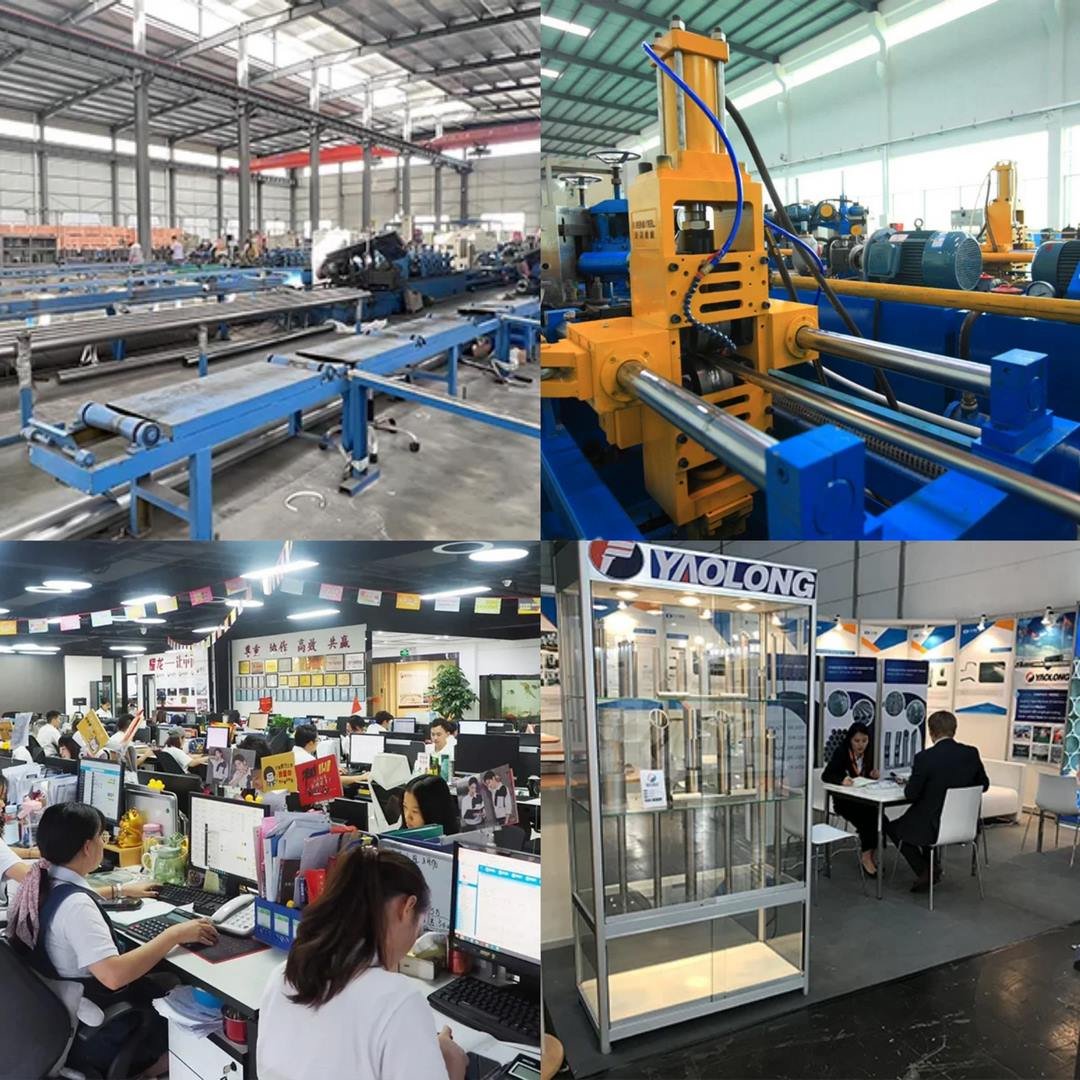
Send Yaolong Hygienic your sanitary tubing specification and operating requirements for technical evaluation and quotation.


[…] standards specify stainless steel grades like 304 and 316L, with ASME BPE emphasizing tighter dimensional and surface finish […]
[…] efficient CIP cleaning and minimize product residue. Yaolong supplies 3-A sanitary tubing in 304L and 316L, with polished surface finishes and dimensions compatible with sanitary fittings, valves, clamps, […]
[…] Focuses on R&D and smart manufacturing of high-end seamless tubes, featuring high-performance grades such as 304, 304L, and 316L. […]
[…] 304L vs 316L Sanitary Tubing: Which Stainless Steel Grade Should You Choose? […]