2026 Sourcing Guide: 30 Certified Stainless Steel Sanitary Tube Factories in China
What Is a Stainless Steel Sanitary Tube?
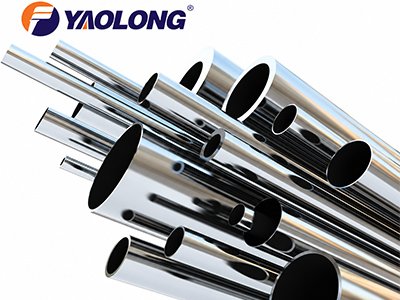
A stainless steel sanitary tube is a high-precision tubing product designed for applications where cleanliness, corrosion resistance, and contamination control are critical. Unlike conventional stainless steel pipes used for general fluid transportation, sanitary tubes are manufactured with strict requirements for material quality, internal surface finish, dimensional accuracy, and hygiene performance.
These tubes are widely used in industries that handle sensitive fluids, including food and beverage processing, dairy production, breweries, pharmaceuticals, biotechnology, cosmetics, and semiconductor-related applications. More recently, high-purity stainless steel tubing has become an essential component in AI data center liquid cooling systems and high-performance computing (HPC) infrastructure, where reliable thermal management and contamination-free coolant circulation are required.
Manufactured primarily from austenitic stainless steels such as TP304L and TP316L, stainless steel sanitary tubes provide excellent corrosion resistance, mechanical strength, weldability, and long service life. They are commonly produced according to international standards including ASTM A270, ASME BPE, and DIN 11850 to ensure consistent quality for critical fluid systems.
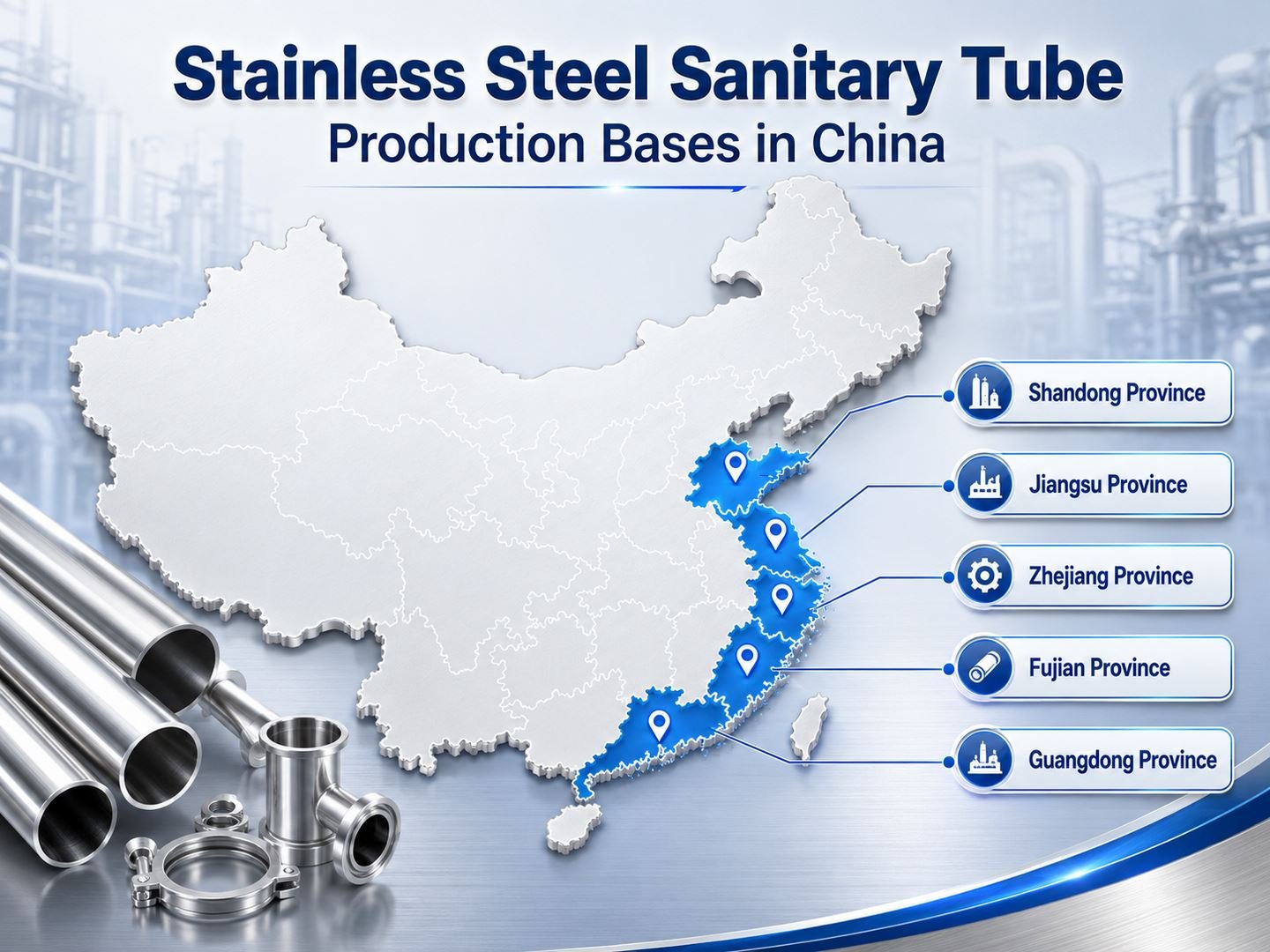
Stainless Steel Sanitary Tube Production Bases in China
In China, stainless steel sanitary tubes—used in demanding applications such as pharmaceuticals, food processing, drinking water systems, and biomedical equipment—are produced in several highly concentrated industrial clusters. Among them, Zhejiang Province, particularly Songyang County in Lishui City, stands out as the undisputed leader in terms of output. Other important production bases are located in Fujian, Jiangsu, Guangdong, and Shandong.
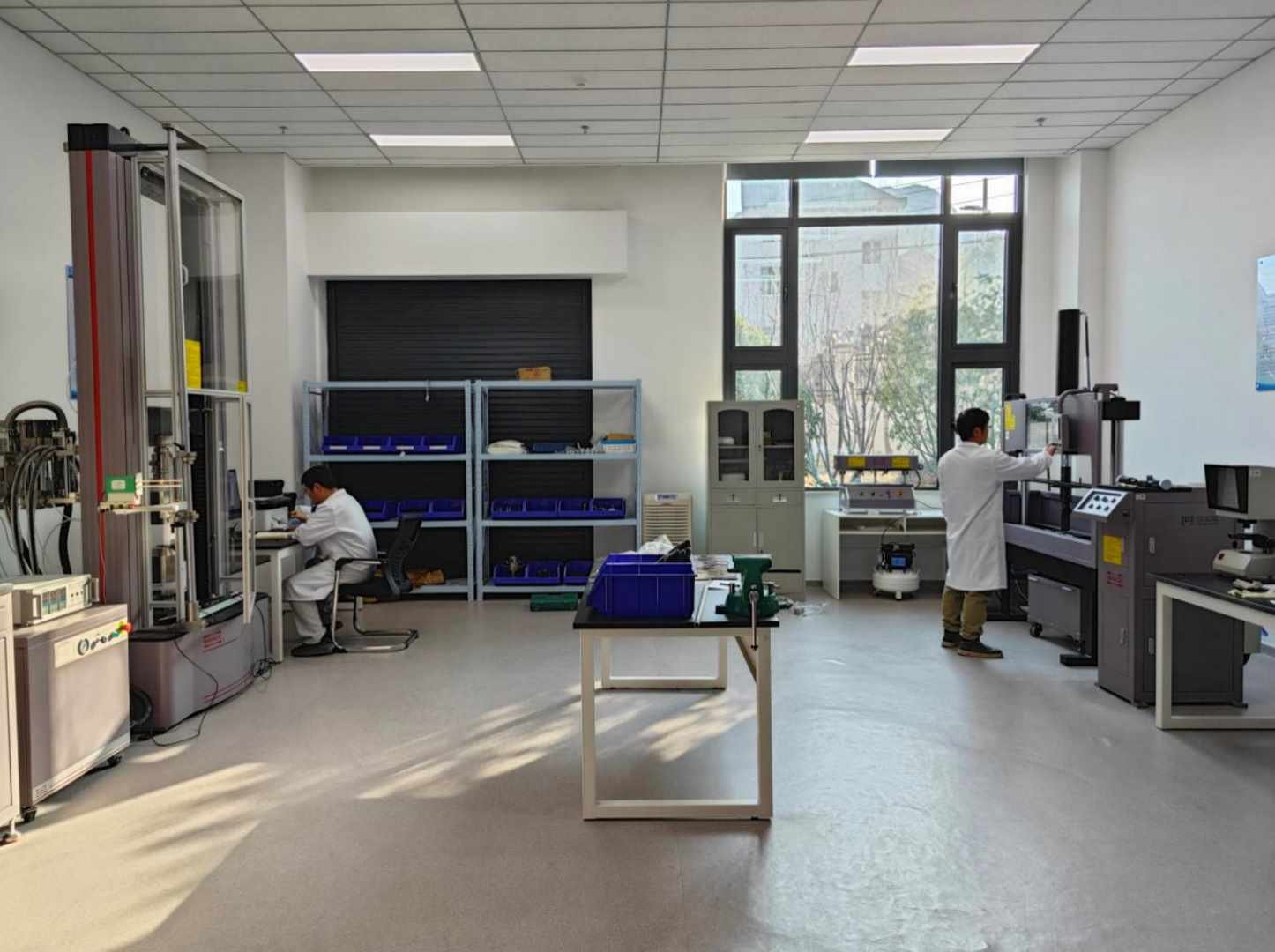
Zhejiang Songyang – The Absolute Production Powerhouse
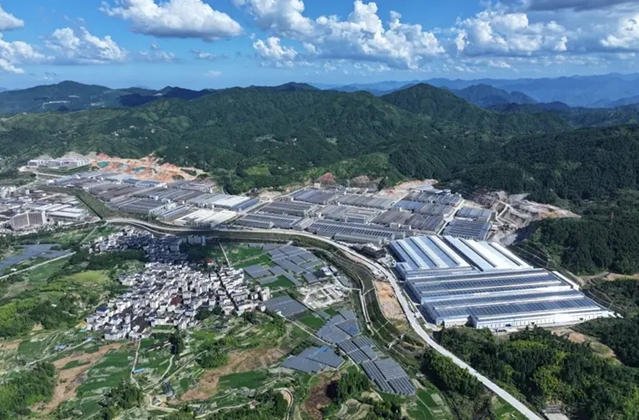
Songyang County is currently the undisputed industrial hub for seamless stainless steel tubes in China.
Output Dominance:
Songyang accounts for over 45% of the nation’s seamless stainless steel tube production.
Annual output value has exceeded RMB 10 billion, growing from RMB 6.2 billion in 2019 to RMB 10.9 billion in 2024.
Industrial Agglomeration:
The county is home to over 60 stainless steel tube manufacturers.
More than 91% of these are designated as “above-designated-size” enterprises (i.e., large and medium-sized).
Product portfolios cover over 40 series and thousands of specifications, including oil pipes, medical tubes, and food-grade tubes.
Technological Strength:
Songyang hosts 41 national high-tech enterprises and 4 national-level “Little Giant” companies (specialized and sophisticated SMEs).
A landmark achievement is the development of seamless stainless steel coiled tubes exceeding 3,000 meters in length, which broke the long-standing monopoly of European and American companies. These products now hold over 30% of the domestic market.
The Three Engines Behind Songyang’s Rise
Technological Breakthroughs:
Companies like Baofeng Special Materials have successfully produced super duplex stainless steel seamless coiled tubes longer than 3,000 meters (and even up to 4,000 meters). This innovation broke the technological and market stranglehold of Western firms, now capturing over 30% of China’s domestic market. These products are already used in offshore engineering, nuclear power, aerospace, and military industries.
Government Support:
The Songyang County government has made the stainless steel tube industry the core pillar of its “industrial county” strategy, with the ambitious goal of building “China’s No. 1 Stainless Steel Tube County.” Policies include:
Financial incentives for smart manufacturing upgrades and technological innovation.
Establishment of public service platforms such as the Songyang Laboratory of the National Quality Inspection and Testing Center for Special Metal Structural Materials, which provides local testing services, significantly reducing R&D costs and lead times.
Toward High-End, Smart, and Green Manufacturing:
High-End Products: Moving from conventional industrial tubes to medical tubes, food-grade tubes, and specialty tubes for offshore engineering and nuclear power.
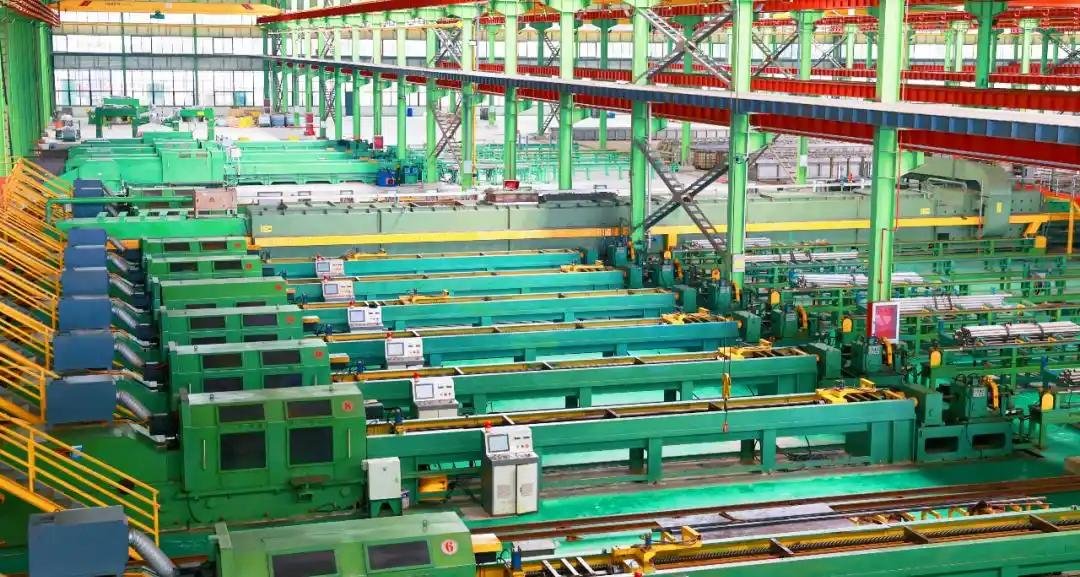
Smart Production: Most major enterprises have completed digital transformation. For example, Shangshang Desheng Group’s “AI-EHS Intelligent Decision System” was selected as a national-level case by the Ministry of Industry and Information Technology.
Industrial Clustering: The county is building specialized logistics centers, public piercing and pickling centers, and promoting enterprise consolidation to shift from “individual fighters” to a “combined arms” approach.
Production Capacity for Sanitary Tubes
Songyang has developed specialized production capabilities for stainless steel sanitary tubes. Representative examples include:
Product Quality – Cleanliness and Safety as Core Priorities
The essence of sanitary tubes lies in their “cleanliness.” Songyang’s companies excel in this dimension:
Serving Demanding Sectors: Products are tailored for high-purity environments such as pharmaceutical clean piping, water-for-injection systems, pure steam systems, food machinery, and medical devices.
Processes and Standards: Advanced cold rolling, cold drawing, and solution heat treatment ensure smooth, scale-resistant inner walls that prevent media retention and secondary contamination.
Compliance: Products meet GB, ASTM, EN, and other international standards, and hold certifications including EU PED and China’s Special Equipment Manufacturing License.
Export Advantages – Accredited and Market-Recognized
Strong certification is the cornerstone of export success, and Songyang enterprises have built clear advantages:
International Accreditations: Companies commonly hold German TÜV certification, EU PED approval, and certifications from multiple classification societies, clearing the path to high-end markets in Europe and the Americas.
Market Recognition: Brands such as Yihong and Guanyu have gained strong recognition and are exported to Germany, Italy, the United States, Canada, Japan, South Korea, and many other countries and regions.
Fujian – Ningde Zhouning: Dual-Driven “Big Pipe + Small Pipe”
Unlike Songyang’s focus on seamless and industrial tubes, Fujian’s stainless steel sanitary tube industry is characterized by strong leading enterprises, extended industrial chains, and a distinctive strength in medical-grade precision tubes. The core production area is highly concentrated in Zhouning County, Ningde City, with additional presence in Quanzhou and Zhangzhou.
Zhouning’s “Big Pipe + Small Pipe” Model
Zhouning is the epicenter of Fujian’s stainless steel tube industry, with a development model summarized as “big pipes hold up the sky, small pipes cover the ground.”
Scale: By 2025, the output value of above-designated-size stainless steel enterprises in Zhouning reached RMB 3.25 billion, accounting for 52.3% of the county’s total industrial output. The industrial park now houses 24 such enterprises.
Big Pipe Strength: Led by Qingshan Steel Pipe (a subsidiary of the Fortune 500 Qingshan Holding Group), products range from 18 mm to 3 meters in diameter, with leading domestic market share in industrial applications such as petroleum and chemicals.
Small Pipe Specialty – The Sanitary Tube Ace
In the sanitary tube segment, Zhouning’s precision focus is on medical device precision needles—not traditional “sanitary tubes” but rather “sanitary micro-tubes” with extreme cleanliness and precision requirements.
Representative Company & Product: Yinhai Wanxiang Medical Devices (Fujian) Co., Ltd. specializes in 0.18 mm diameter medical stainless steel needle tubes (for insulin pen needles, blood collection needles, etc.), capturing 10% of the domestic high-end medical needle market.
Quality Standards: These micro-tubes are manufactured to standards 30% higher than national requirements, with each needle undergoing 36 production steps and 27 inspection tests, reflecting the ultimate pursuit of cleanliness and safety.
Industrial Chain Extension: Phase II of the park includes a dedicated Needle Tube Micro-Park, focusing on high-end medical device projects and filling a gap in the local stainless steel medical device sector. The park also plans to include stainless steel water pipes and supporting projects in its future roadmap.
Other Fujian Production Areas
Quanzhou (Nan’an City): Fujian Gesheng Stainless Steel Pipe Industry Co., Ltd. is a national high-tech enterprise specializing in stainless steel fluid transmission pipes (8–325 mm). It holds hygiene permits for drinking water and pressure pipeline component manufacturing permits, with products meeting European and American standards.
Zhangzhou (Zhao’an County): Fujian Zhao’an Honghui Stainless Steel Material Co., Ltd. produces Xinfa-brand SUS316L and SUS304 stainless steel drinking water pipes and fittings, certified by the Fujian Provincial Health Commission.
Jiangsu – Diversified and Application-Oriented
Unlike Songyang’s seamless tube focus or Fujian’s medical needle specialization, Jiangsu’s sanitary tube industry is multi-centered and strongly application-driven. While it lacks a single dominant hub, its solid industrial foundation supports distinctive clusters in several cities, with notable strengths in high-end manufacturing (e.g., bio-pharmaceutical and semiconductor-grade EP tubes) and drinking water-grade piping.
Key Production Areas
Jiangsu’s sanitary tube industry is distributed across southern, central, and northern parts of the province, each with its own emphasis:
Jiangsu Hechi Special Materials focuses on medical-grade clean antibacterial stainless steel tubes, producing EP tubes (electropolished) with mirror-like surface quality (Ra ≤ 0.2 μm), meeting the ultra-clean requirements of biopharmaceuticals and semiconductors. Products have already gained recognition from Korean clients.
Wuxi – Traditional Trade and Manufacturing Center
As a well-known stainless steel distribution hub, Wuxi has strong trade reach. Local companies like Jiangsu Xinan Metal Products produce sanitary tubes for diverse applications.
Suzhou Tianyi Thermal Energy & Energy-saving Equipment specializes in stainless steel drinking water pipes, while Jiangsu Deming New Materials focuses on thin-wall stainless steel piping systems for civil and commercial uses such as direct drinking water and hot/cold water supply.
Taizhou (Jiangyan District) – Well-Credentialed Veteran Base
Jiangsu Lishi Stainless Steel produces sanitary tubes (mirror-finish) with outer diameters from 3 mm to 120 mm and wall thicknesses from 0.2 mm to 10 mm, holding ISO 9001 and multiple other certifications, with exports to many countries.
Changzhou (Liyang City) – Notable Scale in Specialized Products
According to planning data, Liyang has an annual capacity of 9,800 tons of stainless steel sanitary pipes and 2,000 tons of bio-pharmaceutical-grade pipes.
Xinghua City – Integrated Enterprise Representative
Jiangsu Jinri Pipe Industry operates a production base in Xinghua, manufacturing sanitary tubes and other stainless steel pipes for the food, pharmaceutical, and bio-engineering industries.
Jiangsu’s Core Advantages
High-End Manufacturing Capability Jiangsu’s strength lies not in volume but in producing technically sophisticated, higher-value-added products. The ability to manufacture EP tubes for biopharma, semiconductor, and hydrogen energy sectors marks a qualitative leap forward.
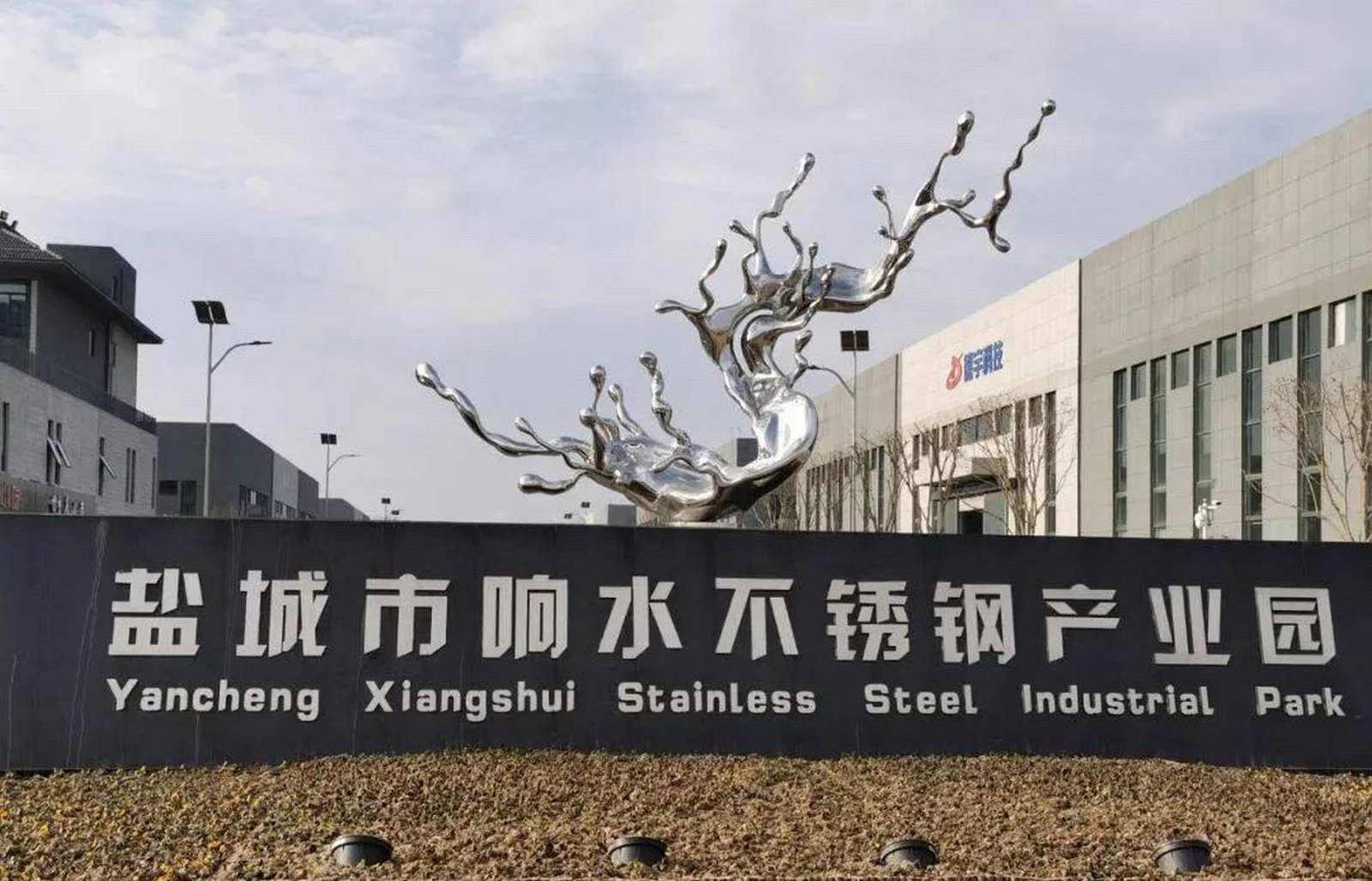
Application-Driven Approach Unlike regions pursuing general-purpose output, Jiangsu’s industry is clearly application-oriented. Whether it’s Kunshan/Changshu focusing on drinking water and construction pipes or Xiangshui targeting medical-grade and semiconductor tubes, production directly aligns with high-end market needs.
Guangdong – Foshan: Integrated Production, Trade, and Application Orientation
Guangdong’s stainless steel sanitary tube industry is defined by “integrated production and sales, driven by application demand.” The industry is highly concentrated in Foshan, which is not only a major manufacturing hub but also one of China’s largest stainless steel trading centers, giving it strong market reach.
Foshan – More Than Manufacturing
Massive Market Scale: In Chencun Town, Shunde District, Foshan, the stainless steel industry’s output value exceeded RMB 60 billion in 2023, driving the broader regional industry past RMB 100 billion. Stainless steel materials circulating here account for one-third of China’s total—making it the industry’s “barometer.”
Application-Driven Development: Foshan’s industry is closely tied to downstream demand. For example, the city has explicitly mandated the preferential use of food-grade S30408 (or higher) stainless steel pipes in municipal and residential pipeline networks, creating a substantial local market for sanitary water pipes. The industry is also actively expanding into gas, HVAC, and fire protection applications.
Industry Standards Leadership: The Guangdong Stainless Steel Materials and Products Association has systematically developed multiple group standards, including Technical Specifications for Stainless Steel Pipeline Installation in Water Supply and Technical Specifications for Stainless Steel Fire Protection Piping, filling gaps and providing a framework for standardized application across various scenarios.
Representative Enterprises
Foshan’s industrial ecosystem includes both specialized niche players and industry giants:
Traditional Manufacturers Upgrading: Local companies are moving from conventional pipe production to higher-value sanitary-grade products. For instance, Guangdong Jicai Guanyi specializes in sanitary-grade stainless steel tubes, with significant production and sales growth, serving medical devices, food safety, and direct drinking water markets, while exports have also risen sharply. Shuangsen Stainless Steel has advantages in stainless steel products, covering food/pharmaceutical tubes and civilian food-grade water pipes.
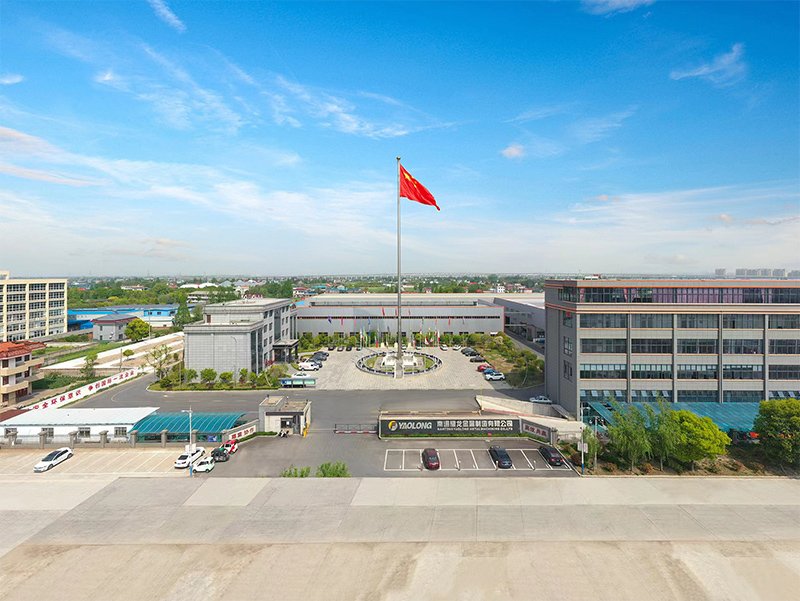
Specialized Hygienic Tube Manufacturers:Yaolong Hygienic has more than 25 years of manufacturing and export experience, supplying stainless steel sanitary tubing and liquid cooling tubes for high-purity industries worldwide. Its products are primarily manufactured from TP304L and TP316L stainless steel and are used in food, beverage, dairy, brewery, AI data center liquid cooling, and high-performance computing infrastructure. The company operates a 40,000-square-meter intelligent production base with an annual capacity of approximately 20,000 tons and exports to more than 50 countries. In addition to standard sanitary tubing, Yaolong provides customized prefabrication solutions for complex liquid cooling manifolds.
Outside Industry Giants Moving In: Youfa Group, a domestic leader in steel pipes, has established its Guangdong regional headquarters in Foshan with a RMB 2 billion investment, projected to reach RMB 8 billion in annual output when fully operational. Its product line includes stainless steel tubes, strengthening its presence in South China and the Greater Bay Area and potentially upgrading the entire industrial chain.
Diverse Product Mix: Companies complement each other. For example, Yongsui Stainless Steel covers thin-wall water pipes and sanitary tubes with drinking water hygiene certification; Xingdaye Stainless Steel produces sanitary-grade drinking water pipes using German double-press connection technology, meeting international standards.
Dual-Driven Trade and Manufacturing: Beyond being a production base, Foshan is a massive trading market. Large platforms like Jinchang International Metal Trading Plaza host over 800 enterprises, forming a complete industrial chain from raw materials to finished products.
Direct End-Market Connection: The industry is tightly aligned with domestic livelihood projects such as “quality water supply,” direct drinking water, and gas systems, supported by clear policy backing and emerging application scenarios.
Moving Toward Branding: While historically reliant on OEM/ODM, Foshan’s stainless steel industry is now transitioning from “scale advantage” to “value leadership,” exploring collective branding models like “Foshan Youjia” to expand overseas.
Shandong – Leading-Enterprise Driven, Chain-Based Development
Shandong’s sanitary stainless steel tube industry features a “leading enterprise–driven, chain-based development” model, distinct from Songyang’s volume dominance, Fujian’s medical specialization, or Guangdong’s integrated trade-manufacturing approach. Its core strength lies in leveraging upstream stainless steel production bases to extend into downstream processing, forming two distinctive hubs in Jinan (Laiwu) and Zibo (Zhoucun).
Two Major Production Hubs
Jinan Laiwu District – Chain Leader Driving High-End Entry
Laiwu’s advantage is its upstream “chain leader”—Taishan Steel Group, one of China’s most competitive 400-series stainless steel producers, providing a stable local supply of raw materials.
Industrial Park: Relying on Taishan Steel, Laiwu is building the Taishan Stainless Steel Products Industrial Base, with a total investment of RMB 4 billion. At full capacity, annual sales revenue is projected to reach RMB 20 billion. The base explicitly plans to produce medical device–grade stainless steel products and has brought in companies like Shandong Shunbo Metal Products to build high-end stainless steel deep-processing facilities focused on medical-grade stainless steel pipes and fittings, extending into higher value-added segments.
Zibo Zhoucun District – Trade and Manufacturing with “Little Giant” SMEs
Zhoucun leverages its status as the “No. 1 in North China and No. 3 nationally” stainless steel trade and distribution center, transitioning from traditional trade to advanced processing.
Representative Enterprise: Shandong Jinrund New Material Technology Co., Ltd. is a national-level “Little Giant” enterprise and a provincial manufacturing champion. It specializes in food-grade sanitary pipes and clean pipes for food, pharmaceutical, and drinking water applications, with an annual capacity exceeding 40,000 tons.
Industrial Ecosystem: Besides Jinrund, Zhoucun hosts companies like Zibo Kaituo Stainless Steel, forming a complete supporting capability from pipes to fittings.
Other Shandong Production Areas
Tai’an (Xintai City): Shandong Aoshikang New Material Technology Co., Ltd. focuses on thin-wall stainless steel water pipes and healthy direct-drinking water systems, offering innovative products such as “spring-lock” quick-connect fittings. It holds drinking water hygiene permits and exports to Japan, South Korea, the United States, and other markets.
Strong Upstream Material Advantage: Leveraging Taishan Steel and other leaders, Shandong has a robust local supply of stainless steel raw materials (especially the 400-series), an underlying advantage few other regions can match.
Clear “Chain-Based” Development Path: Laiwu’s model is typical—using “chain leaders” to attract downstream deep-processing enterprises, forming industrial clusters with a clear target toward high-value medical-grade products.
Specialized “Little Giants” Emerging: Companies like Jinrund in Zhoucun, through deep cultivation in sanitary and clean pipe niches, have earned national-level “Little Giant” recognition, demonstrating Shandong’s professional capabilities in specific segments.
List of 30 famous stainless steel sanitary tube factories in China
Zhejiang Province (Songyang & Wenzhou & Huzhou Clusters)
Songyang County is the undisputed hub for seamless sanitary tubes, with additional specialized manufacturers based in Wenzhou.
No.
Factory Name
Primary Location
Known For / Specialization
1
Baofeng Special Materials
Songyang, Zhejiang
Ultra-long seamless coiled tubes, aerospace, and high-end industrial applications.
Specializes in sanitary tubes with an annual output of 15,000 tons.
3
Longda Steel Group Co., Ltd.
Songyang, Zhejiang
Sanitary tubes for the pharmaceutical equipment sector.
4
Zhejiang Guanyu Pipe Industry Co., Ltd.
Songyang, Zhejiang
Manufacturer of sanitary tubes with an annual output of over 10,000 tons.
5
Zhejiang Bosheng Steel Group
Songyang, Zhejiang
Building a 580MPa high-strength special steel smart factory project for offshore engineering (oil extraction and transportation) and aerospace alloy steel production.
6
Zhejiang De Sheng Steel Industry Co., Ltd.
Songyang, Zhejiang
Produces stainless steel seamless, welded, and sanitary tubes in a wide range of sizes.
7
Zhejiang Hongkang Stainless Steel
Songyang, Zhejiang
Focuses on R&D and smart manufacturing of high-end seamless tubes, featuring high-performance grades such as 304, 304L, and 316L.
8
Zhejiang Aochang Technology Co., Ltd.
Wenzhou, Zhejiang
Professional manufacturer of welded sanitary pipes with an annual output of 9,000 tons.
9
Zhejiang Rongrui Pipeline Technology Co., Ltd.
Wenzhou, Zhejiang
Specializes in high-purity BA (Bright Annealed) and EP (Electro-Polished) sanitary tubes.
10
Zhejiang Hongsheng Special Steel
Songyang, Zhejiang
A national high-tech enterprise with 12 patents, primarily producing large-diameter seamless stainless steel pipes and thick-wall tubes.
11
Zhejiang Julong Steel Industry
Songyang, Zhejiang
Annual capacity of 10,000 tons, capable of manufacturing tubes up to 35 meters in length, with multiple cold-rolling production lines.
12
Zhejiang Rongrui Pipeline Technology Co., Ltd.
Wenzhou, Zhejiang
Focuses on clean and safe stainless steel pipelines, including EP and BA tubes.
13
Zhejiang Xintongda Special Steel Manufacturing Co., Ltd.
Songyang, Zhejiang
An integrated enterprise covering smelting, piercing, and tube drawing; specializes in seamless tubes made from super austenitic 904L and specialty stainless steel 317L.
14
Zhejiang Jiuli Special Materials Technology Co., Ltd. (Jiuli)
Huzhou, Zhejiang
Specializes in industrial stainless steel and special alloy tubes for oil & gas, nuclear power, chemical, shipbuilding, and new energy.
15
Huzhou Huaheng New Materials Technology Co., Ltd.
Huzhou, Zhejiang
High-tech enterprise producing sanitary-grade bright pipes for various industries.
Fujian Province (Ningde Zhouning Cluster)
Fujian province is defined by a "big pipe + small pipe" model, with a strong focus on medical device components.
No.
Factory Name
Primary Location
Known For / Specialization
16
Yinhai Wanxiang Medical Devices (Fujian) Co., Ltd.
Zhouning, Fujian
Produces high-precision 0.18mm medical needle tubes.
17
Fujian Gesheng Stainless Steel Pipe Industry Co., Ltd.
Nan'an, Fujian
Specializes in fluid transmission pipes for drinking water systems.
18
Fujian Zhao'an Honghui Stainless Steel Material Co., Ltd.
Zhao'an, Fujian
Produces SUS304 and SUS316L drinking water pipes and fittings.
Jiangsu Province (Multi-City Cluster)
With a strong application-driven focus, Jiangsu is known for its high-end manufacturing capabilities, particularly for semiconductor and biopharma-grade EP tubes.
No.
Factory Name
Primary Location
Known For / Specialization
19
Jiangsu Hechi Special Materials
Xiangshui, Jiangsu
Produces medical-grade EP tubes with mirror-finish surfaces (Ra≤0.2μm).
20
Jiangsu Lishi Stainless Steel
Taizhou, Jiangsu
Produces a wide range of sanitary tubes (3-120mm OD) for export.
21
Jiangsu Zhangyu Stainless Steel
Kunshan, Jiangsu
Specializes in stainless steel drinking water pipes.
22
Jiangsu Deming New Materials
Suzhou, Jiangsu
Focuses on thin-wall stainless steel piping systems.
23
Jiangsu Wujin Stainless Steel Pipe Group Co., Ltd. (Wujin Stainless)
Changzhou, Jiangsu
A listed company (603878.SH) with 50+ years of history. Annual capacity: 35,000 tons seamless tubes (Φ6–762mm), 25,000 tons welded tubes (Φ16–2200mm), and 10,000 tons fittings/flanges.
Guangdong Province (Foshan Cluster)
Guangdong province is the nexus of production and trade, noted for its "big market, strong application" profile, particularly in drinking water and construction piping.
Large-scale welded tube manufacturer with an annual output of over 40,000 tons.
26
Yongsui Stainless Steel
Foshan, Guangdong
Produces thin-wall water pipes and sanitary tubes.
27
Guangdong Shuangxing New Materials Group (SUMWIN Group)
Foshan, Guangdong
National high-tech enterprise. Annual capacity: 240,000 tons welded tubes + 20 million fittings. Covers industrial, structural, product, and drinking water pipes.
Shandong Province (Laiwu & Zibo Clusters)
Shandong's strength lies in its "chain-based" development, leveraging its upstream material production.
No.
Factory Name
Primary Location
Known For / Specialization
28
Shandong Jinrund New Material Technology Co., Ltd.
Zibo, Shandong
A national "Little Giant" enterprise producing food-grade and clean pipes.
29
Shandong Aoshikang New Material Technology Co., Ltd.
Xintai, Shandong
Focuses on thin-wall drinking water pipes and quick-connect systems.
30
Shandong Shunbo Metal Products Co., Ltd.
Laiwu, Shandong
Main products include 304/316L and 400-series stainless steel water pipes, gas pipes, corrugated pipes, heat exchanger tubes, sanitary-grade tubes, and manifold systems.
Top 10 Considerations When Sourcing from a Stainless Steel Sanitary Tube Factory
Sourcing stainless steel sanitary tubing is not simply a matter of comparing tube dimensions and prices. In high-purity industries such as food processing, pharmaceuticals, biotechnology, and AI data center liquid cooling, tubing performance directly affects system cleanliness, reliability, and operational safety.
A qualified sanitary tube manufacturer must have the engineering capability to control material composition, forming processes, surface quality, dimensional accuracy, and inspection procedures throughout the entire production chain.
From Yaolong Hygienic’s perspective, the following ten technical considerations should be evaluated before selecting a stainless steel sanitary tube factory.
1. Material Grade Selection and Metallurgical Control
The foundation of sanitary tubing performance is the correct stainless steel grade and strict metallurgical control.
The most commonly specified materials for sanitary applications are:
TP304L stainless steel
TP316L stainless steel
However, choosing the correct grade requires understanding the operating environment.
TP304L
Suitable for:
Food and beverage processing
General hygienic fluid systems
Applications requiring good corrosion resistance and weldability
TP316L
Preferred for:
Pharmaceutical systems
Chemical processing
High-purity applications
Liquid cooling systems requiring enhanced corrosion resistance
The additional molybdenum content in TP316L improves resistance against chloride corrosion and aggressive environments.
A professional sanitary tube factory should provide:
Heat number traceability
Chemical composition reports
Mill Test Certificates (MTC)
PMI (Positive Material Identification) capability where required
Material consistency is critical because even minor variations in nickel, chromium, or molybdenum content can influence corrosion resistance and service life.
2. Compliance with International Sanitary Standards
Sanitary tubing is manufactured according to strict industry standards. A supplier should have experience producing tubes that comply with internationally recognized specifications.
Key standards include:
ASTM A270
The primary specification for seamless and welded austenitic stainless steel sanitary tubing.
It defines requirements for:
Chemical composition
Mechanical properties
Surface finish
Dimensional tolerance
Testing requirements
ASME BPE
Essential for pharmaceutical and biotechnology applications.
It covers:
High-purity tubing dimensions
Surface roughness requirements
Orbital welding compatibility
Cleaning and sterilization requirements
DIN 11850
Commonly used in European hygienic processing industries.
A technically capable factory should understand the differences between these standards rather than simply claiming compliance.
The ability to manufacture according to customer-specific standards is often a key indicator of engineering maturity.
3. Tube Manufacturing Technology and Process Control
Sanitary tube quality depends heavily on manufacturing technology.
A complete production process typically includes:
Stainless steel coil or billet inspection
Tube forming
Welding
Heat treatment
Sizing and straightening
Surface treatment
Cleaning
Final inspection
For welded sanitary tubes, welding technology is particularly important.
Critical factors include:
Precise weld bead control
Stable welding parameters
Full penetration welding
Minimal heat-affected zone
Prevention of oxidation during welding
Advanced manufacturers use automated welding systems and controlled atmosphere protection to maintain internal surface cleanliness.
Poor welding control can create:
Crevice corrosion risks
Contamination points
Reduced fatigue resistance
4. Bright Annealing Technology and Heat Treatment Control
Heat treatment is one of the most important differences between ordinary stainless steel tubing and high-quality sanitary tubing.
Bright Annealing (BA) provides:
Improved corrosion resistance
Reduced surface oxidation
Enhanced mechanical properties
Cleaner internal surfaces
During bright annealing, tubes are processed in a controlled atmosphere furnace to prevent oxidation.
A professional factory should control:
Furnace temperature
Atmosphere composition
Cooling rate
Material structure after treatment
Incorrect annealing can lead to:
Chromium depletion
Reduced corrosion resistance
Surface discoloration
Poor weld performance
5. Internal and External Surface Finish Requirements
For sanitary applications, surface finish is not only an appearance requirement. It directly affects hygiene performance.
Important parameters include:
Surface Roughness (Ra)
Lower Ra values reduce:
Bacterial adhesion
Product contamination risk
Cleaning difficulty
Typical sanitary requirements may include:
Ra ≤ 0.8 μm for standard hygienic applications
Ra ≤ 0.4 μm or lower for pharmaceutical/high-purity applications
Advanced surface treatment technologies include:
Mechanical Polishing (MP)
Used for:
Improving surface smoothness
Removing manufacturing marks
Electropolishing (EP)
Provides:
Reduced microscopic surface peaks
Improved corrosion resistance
Enhanced cleanability
For ultra-clean systems, electropolished surfaces are often preferred because they create a more passive and chemically stable surface layer.
6. Dimensional Accuracy and Manufacturing Tolerances
Sanitary tubing is often integrated into complex processing systems where dimensional precision directly affects installation quality.
Important parameters include:
Outside diameter tolerance
Wall thickness tolerance
Ovality control
Straightness
Length accuracy
For liquid cooling applications, dimensional accuracy becomes even more critical because tubing must connect precisely with:
Manifolds
Cooling plates
Distribution units
Quick connectors
Poor dimensional control can cause:
Difficult welding
Leakage risks
Installation delays
System performance issues
A reliable manufacturer should use precision measurement equipment throughout production.
7. Advanced Inspection and Testing Capability
Quality inspection should not only happen at the final stage. It should be integrated throughout manufacturing.
A professional sanitary tube factory should provide:
Non-destructive testing
Including:
Eddy current testing
Ultrasonic testing
Helium leak detection
Helium leak detection is especially important for liquid cooling systems because even microscopic leakage can damage expensive electronic equipment.
Surface inspection
Including:
Roughness measurement
Visual inspection
Endoscopic inspection of internal surfaces
Dimensional inspection
Using:
Laser measurement systems
Precision gauges
Automated inspection equipment
The factory’s testing capability often reflects its ability to supply critical applications.
8. Clean Manufacturing Environment and Contamination Control
For high-purity industries, manufacturing cleanliness is part of product quality.
A sanitary tube factory should control:
Production environment cleanliness
Material storage conditions
Cross-contamination risks
Cleaning procedures
Packaging processes
Important practices include:
Dedicated stainless steel processing areas
Clean water rinsing
Internal tube flushing
Protective caps for tube ends
Clean packaging materials
For AI data center liquid cooling systems, cleanliness becomes even more important because particles or residues can affect cooling efficiency and system reliability.
9. Customization and Engineering Support Capability
A capable sanitary tube supplier should provide more than standard tube sizes.
Modern industries increasingly require customized solutions, including:
Non-standard dimensions
Special surface finishes
Custom lengths
Prefabricated assemblies
Liquid cooling manifolds
Engineering support should include:
Drawing review
Material recommendation
Manufacturing feasibility analysis
Welding solution design
Prototype development
For complex applications, supplier involvement during the design stage can significantly reduce installation risks.
10. Production Capacity, Supply Reliability, and Long-Term Partnership
For international projects, manufacturing capability and supply stability are essential.
A qualified supplier should demonstrate:
Stable raw material supply
Large-scale production capability
Export experience
Quality consistency between batches
Technical support capability
Important evaluation factors include:
Manufacturing facility size
Annual production capacity
Global customer experience
Quality management system
After-sales technical support
A sanitary tube factory should be viewed as a technology partner rather than only a material supplier.
Final Consideration: Choose a Manufacturer with Full Process Control
The most reliable stainless steel sanitary tube suppliers are those that control the complete manufacturing process — from raw material selection to final inspection.
For high-purity industries, the real value comes from:
Metallurgical expertise
International standard compliance
Advanced surface treatment
Precision manufacturing
Complete testing capability
Engineering support
With more than 25 years of experience, Yaolong Hygienic focuses on manufacturing TP304L and TP316L stainless steel sanitary tubes and liquid cooling tubes for demanding industries worldwide. Through ASTM A270, ASME BPE, and DIN 11850 compliant production, combined with BA, MP, EP, and helium leak detection technologies, Yaolong provides reliable tubing solutions for hygienic processing systems and next-generation AI liquid cooling infrastructure.
One comment on “2026 Sourcing Guide: 30 Certified Stainless Steel Sanitary Tube Factories in China”
[…] the right stainless steel sanitary tube manufacturer requires more than comparing product specifications. Manufacturing experience, production capacity, […]

[…] the right stainless steel sanitary tube manufacturer requires more than comparing product specifications. Manufacturing experience, production capacity, […]